Arranging School Group Flights: Crucial Do’s and Don'ts from the Global Works Team
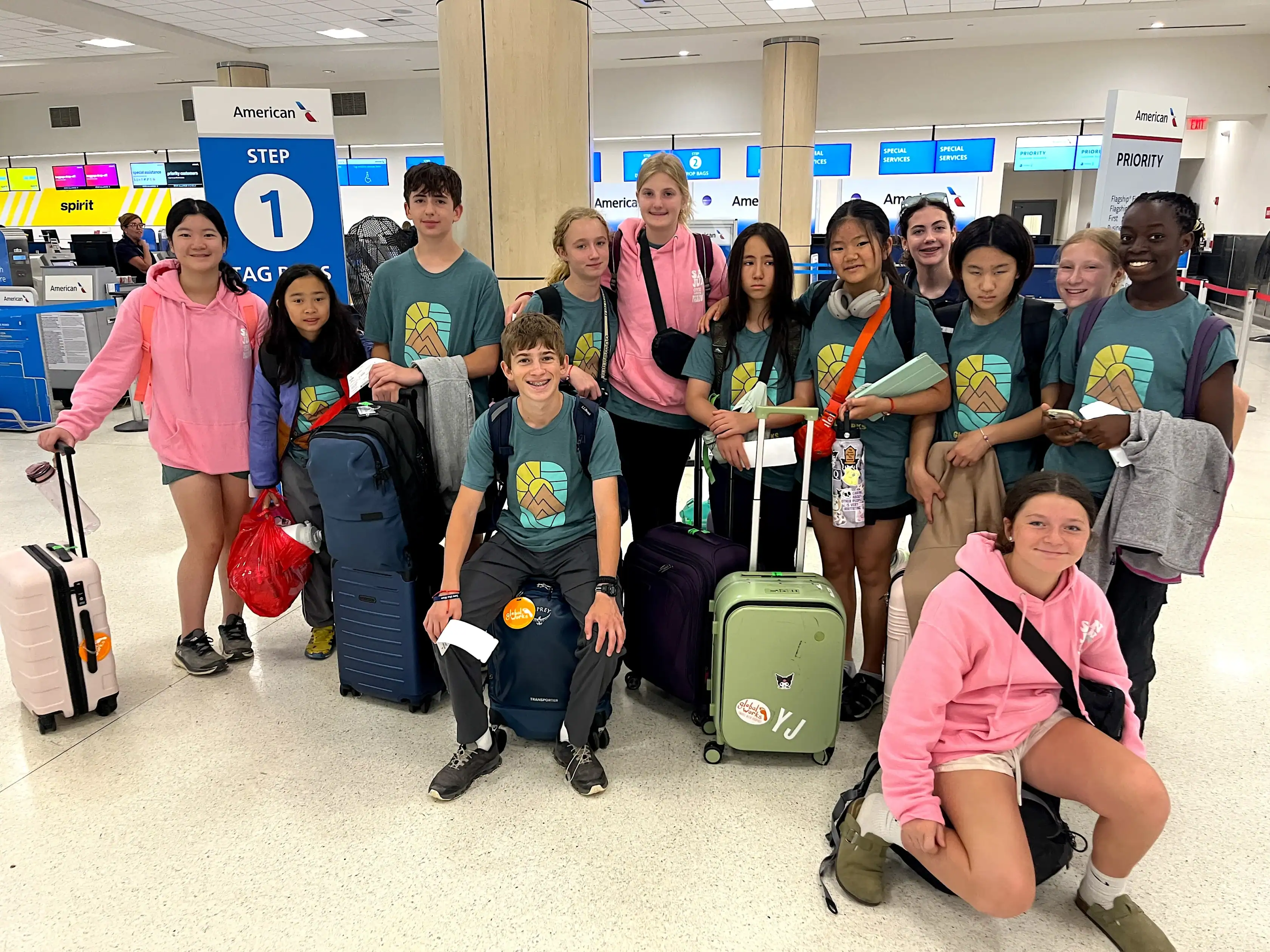
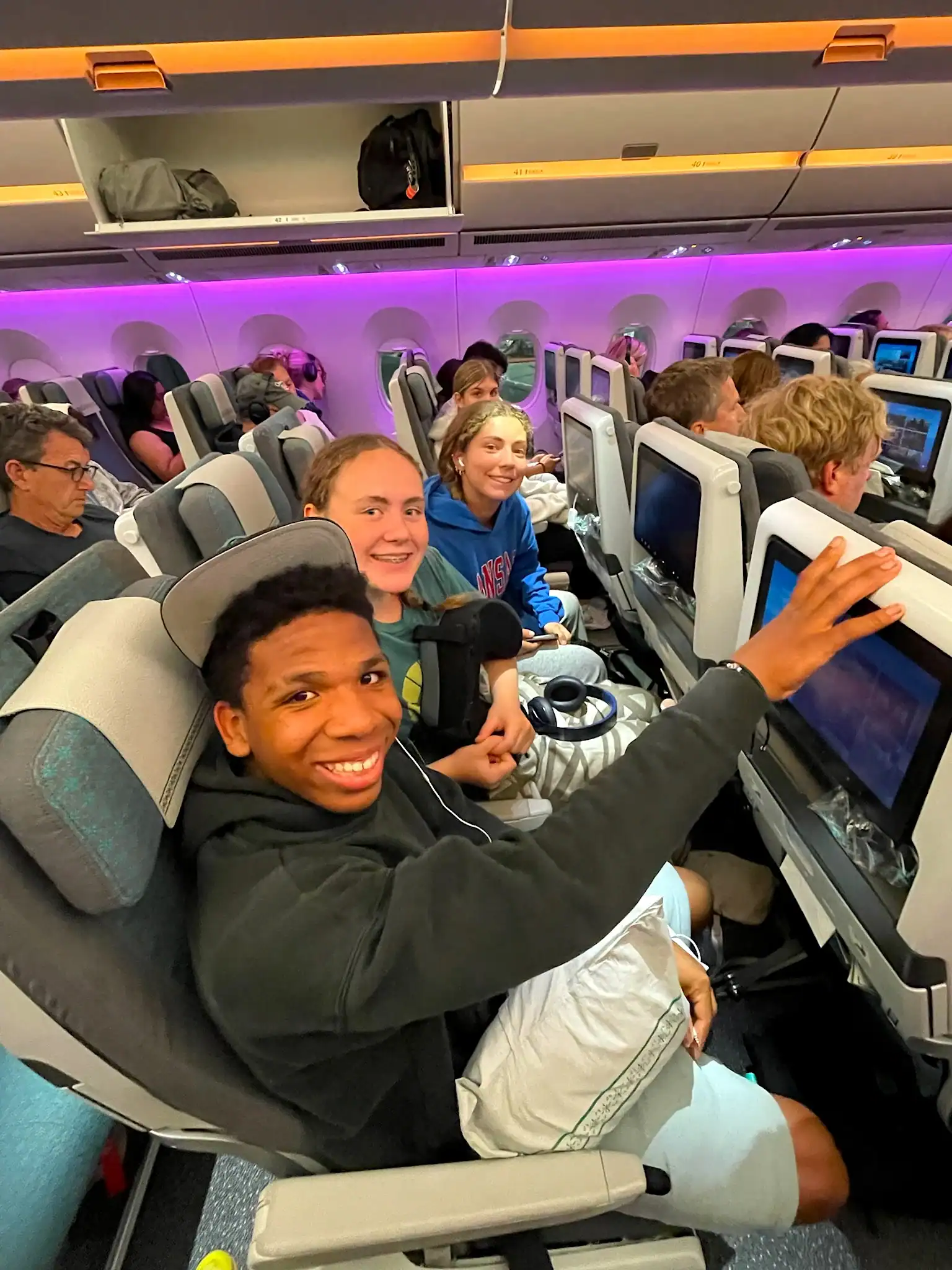
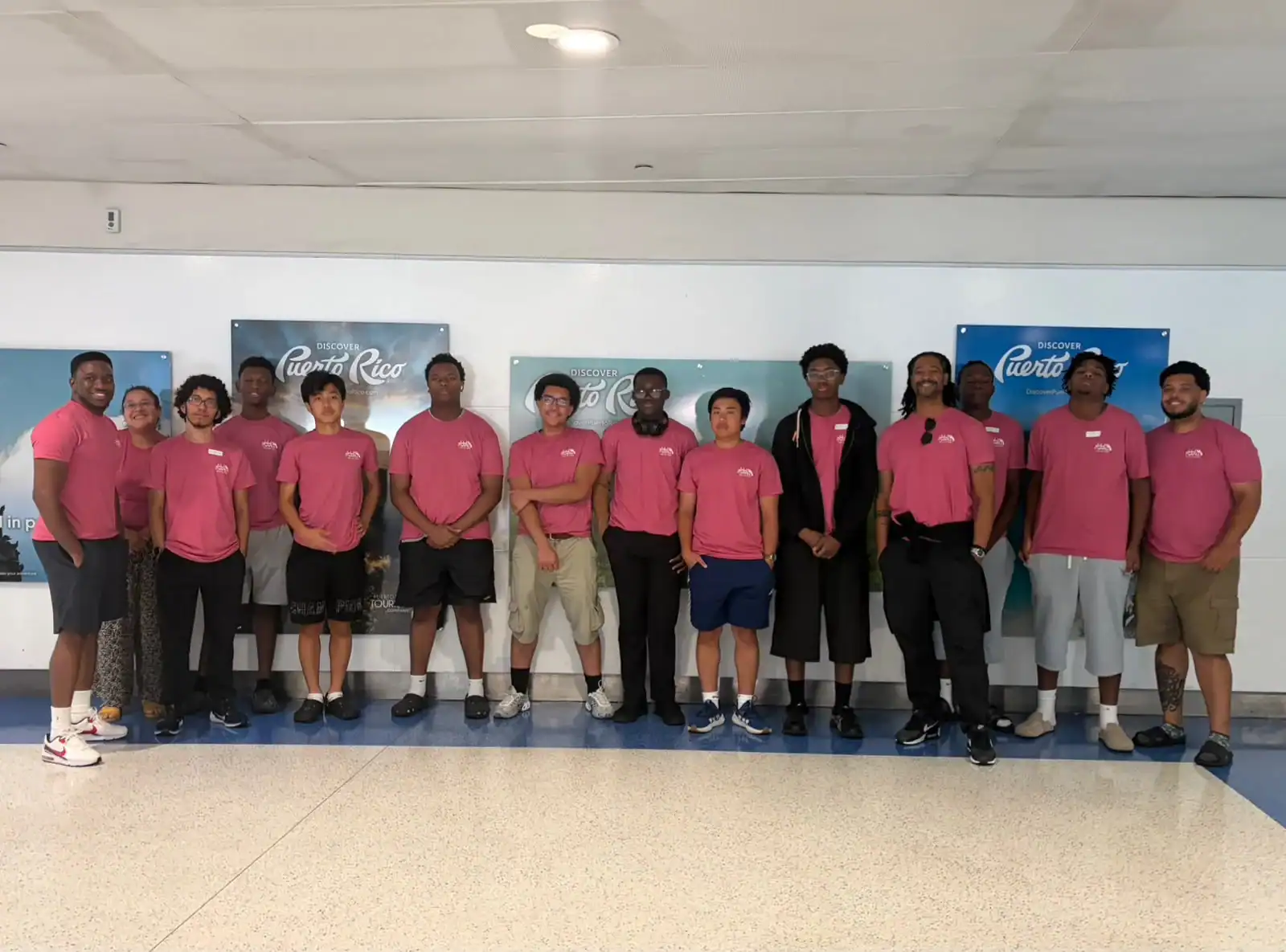
Planning school group flights is very different from booking your own personal travel. Prices shift quickly, routes fill up, and airline policies can feel confusing when you’re coordinating dozens of students. After many years of supporting student group travel and educational programs around the world, we’ve collected a set of practical group travel tips that consistently make the booking process smoother and more reliable for schools.
Do book a group reservation.
If your school is booking flights for a class trip or service-learning program, a true group flight reservation is one of the best tools available. Group contracts allow you to lock in group airfare months in advance and hold a block of seats without needing traveler names right away. Deposits are often refundable for a period of time, giving schools helpful flexibility while rosters shift.
Don’t buy individual tickets online.
The cheapest fare you see online usually applies to just one or two seats. After those are purchased, the price often increases. Individual bookings also require immediate payment and traveler names, and they usually come with strict cancellation terms. For school travel planning, this lack of flexibility can make changes much more complicated.
Do choose a major airline with several daily flights.
When arranging student group flights, reliability matters. Major carriers typically offer more daily routing options, which gives your group better protection if a delay or cancellation occurs. More flights mean more chances to rebook your students and stay on schedule for your educational travel program.
Don’t rely on budget airlines for group travel.
Budget carriers may look appealing at first, but their limited schedules can create major challenges if your flight is canceled. With fewer backup options and slower customer support, one disruption can significantly affect your entire itinerary.
Do select the most direct routing you can.
Every extra connection increases the chance of delays, missed flights, or lost baggage. When you’re booking group flights for students, a direct or single-connection route offers far more peace of mind. Even if the routing costs a bit more, families usually appreciate the reliability once they understand the benefits.
Don’t choose red-eye flights unless you absolutely need to.
Red-eyes may seem efficient, but in practice, students often arrive overtired and unfocused. This can make the first day of your trip — whether it involves orientation, cultural activities, or travel to your host community — much more challenging.
Do check passport and documentation needs early.
Passport validity is one of the easiest issues to overlook in school travel planning. Many destinations require passports to be valid for at least six months beyond the return date. Starting this process early helps families avoid stressful, last-minute renewals.
Don’t assume all students have the same requirements.
International students or dual citizens may need visas or other entry permissions. Identifying these situations early prevents problems at ticketing or during connections.
Good preparation at the booking stage sets the tone for a smooth, well-organized trip. These simple guidelines can help your school feel more confident when arranging group airfare and planning your next student travel program.