Belize School Group Travel
Rainforest and Reef
Belize Rainforest & Reef School Trip
Explore rainforest ecology and coral reef science on this Belize school trip for high school students. Rainforest and Reef connects learning at a field station in the Maya Mountains with marine fieldwork at Tobacco Caye Marine Station in South Water Caye Marine Reserve.
9-Day Belize Itinerary
Bring this itinerary to life for your students! Tell us about your group’s goals and preferred travel dates, and we’ll be in touch soon.
- Arrive at Philip S. W. Goldson International Airport and transfer to Field Station in Belize’s Maya Mountains.
- Meet the resident biologists, tour the station, and review fieldwork safety and group guidelines.
- Learn about current sea turtle tracking, bird banding, and frog and reptile research over your first evening at the station.
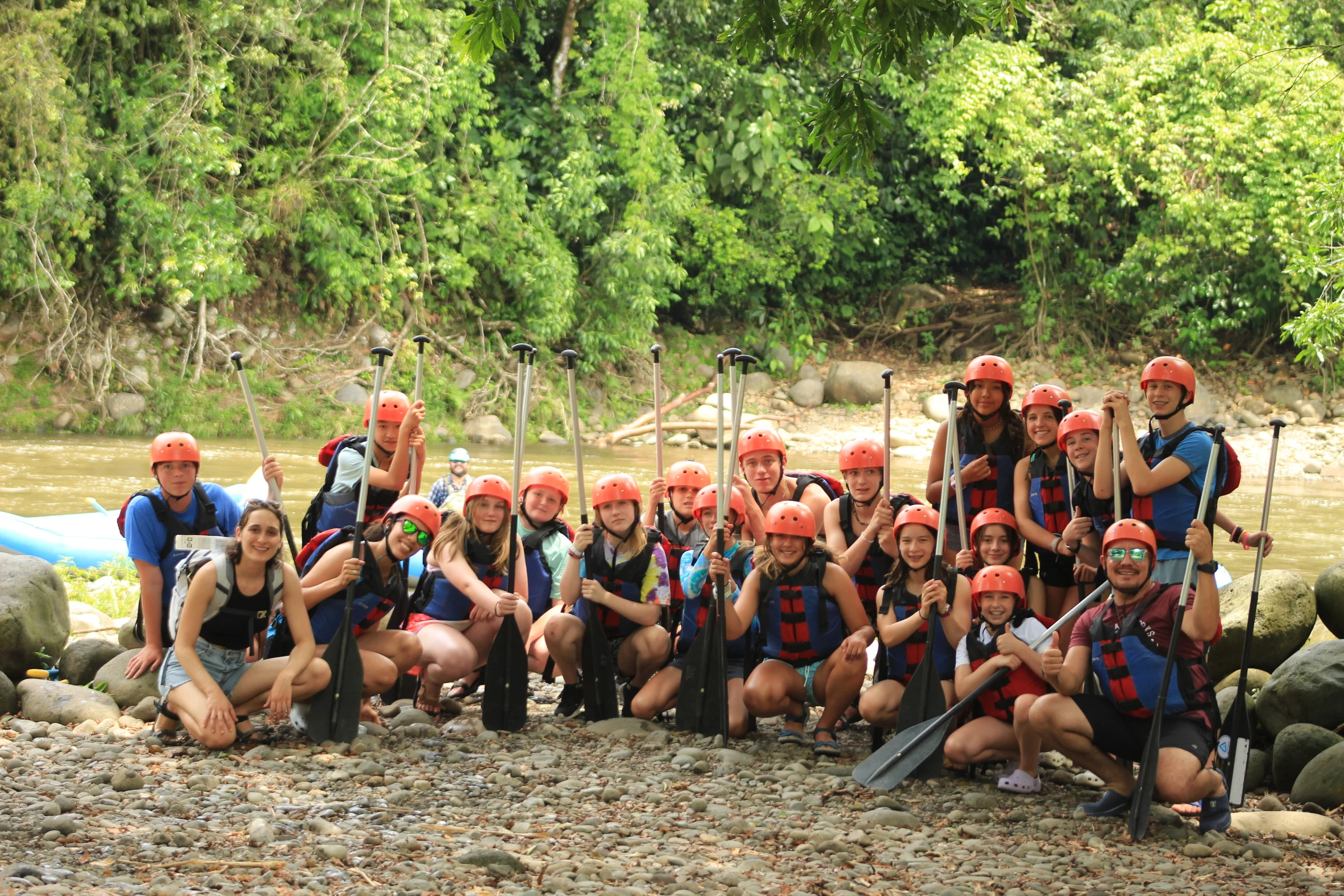
- Explore Dry Creek with freshwater invertebrate sampling and water quality observations to investigate forest watershed health.
- Take a swimming break at a natural creek pool.
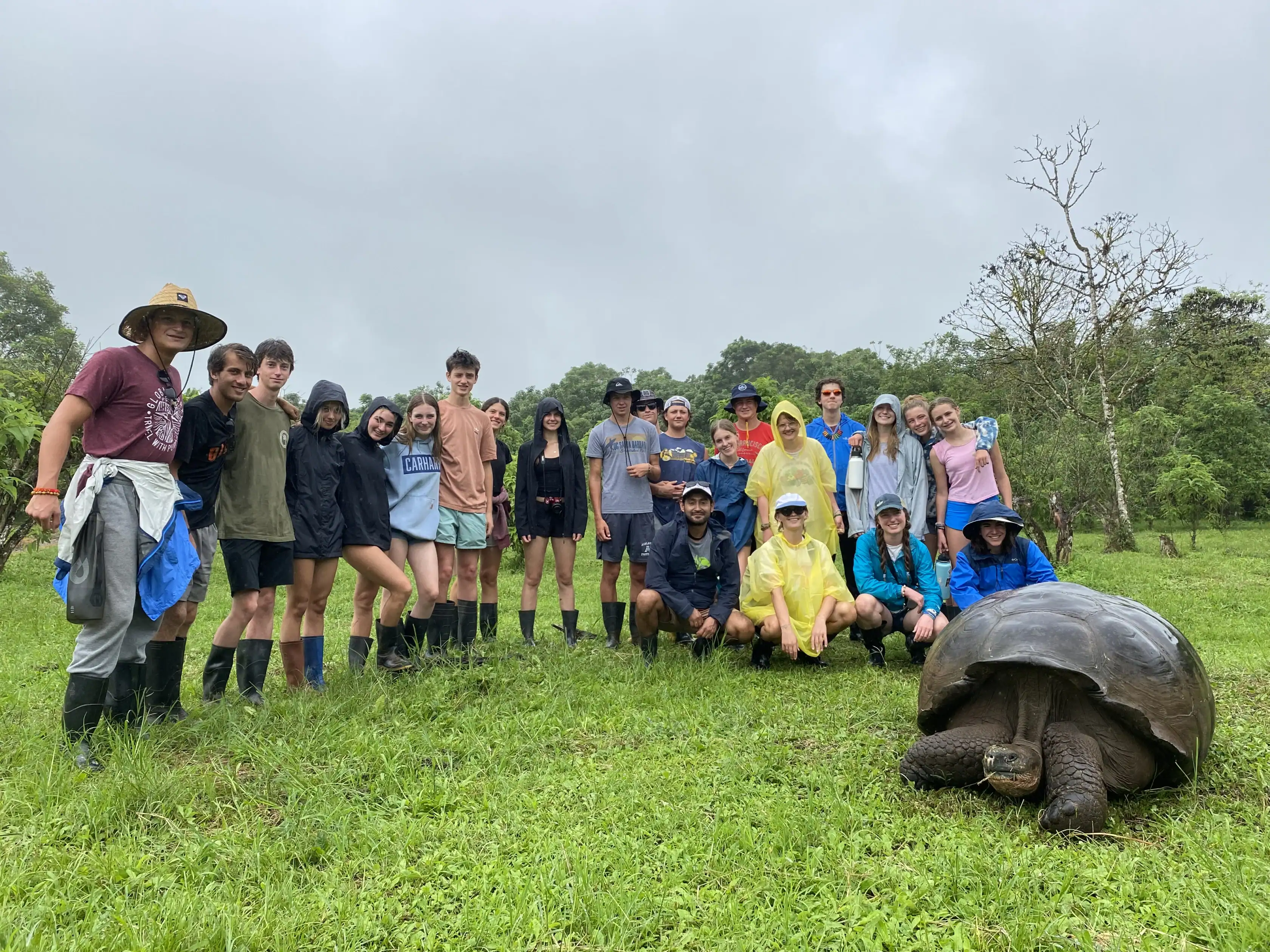
- Join and learn about biologist-led fieldwork related to tagged sea turtles their location, habitat, and movement patterns.
- Reflect on what stream samples and animal tracking can and cannot tell researchers about ecosystem health.
- Learn about bird mist-netting, banding, measurement, and species identification under station protocols.
- Survey forest transects for frogs, lizards, and snakes, documenting species and habitat characteristics.
- Discuss how repeated surveys and mark-recapture methods help researchers estimate populations.
- Contribute to trail maintenance and sign painting along research transects.
- Travel by private vehicle to Dangriga.
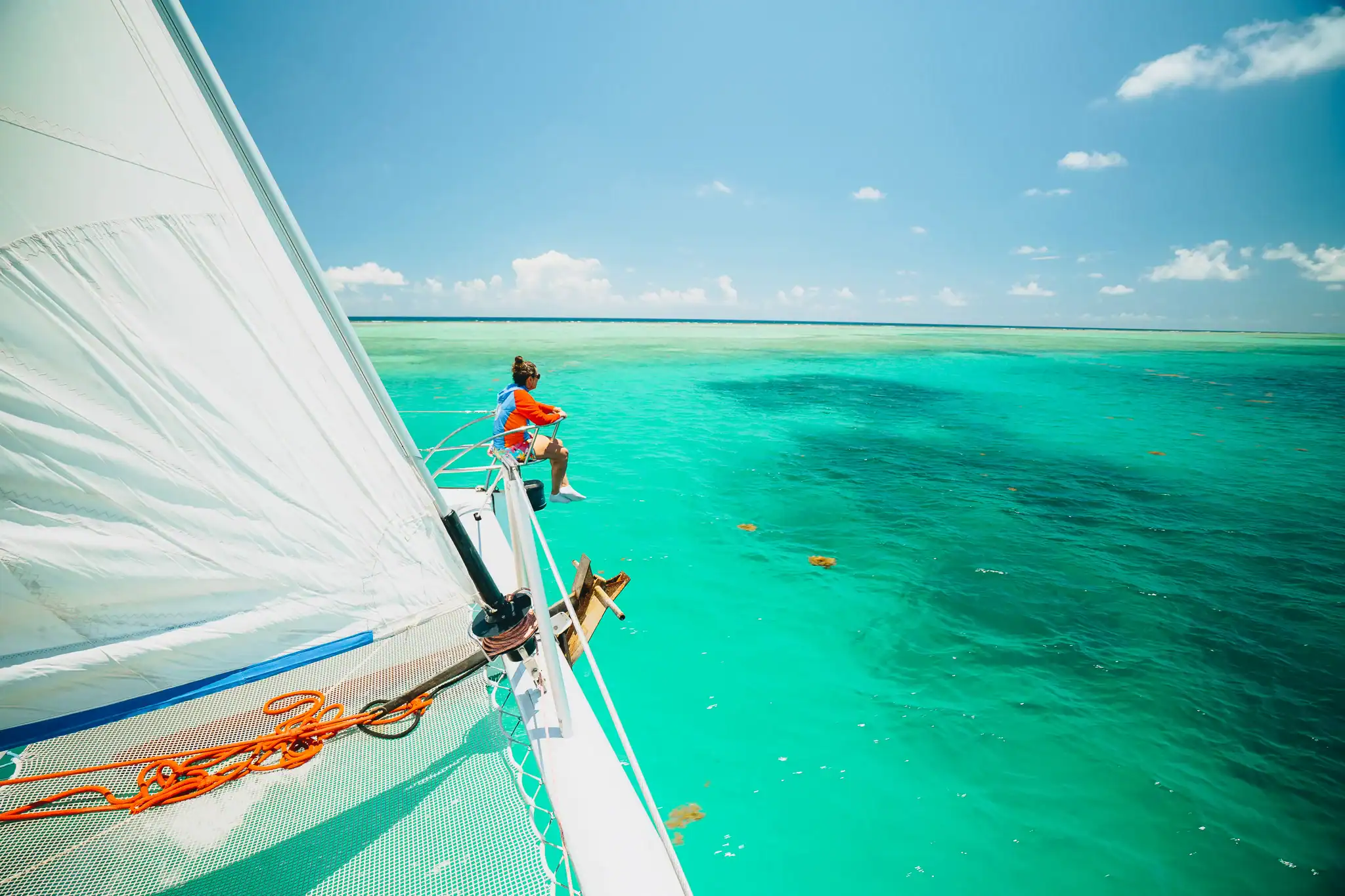
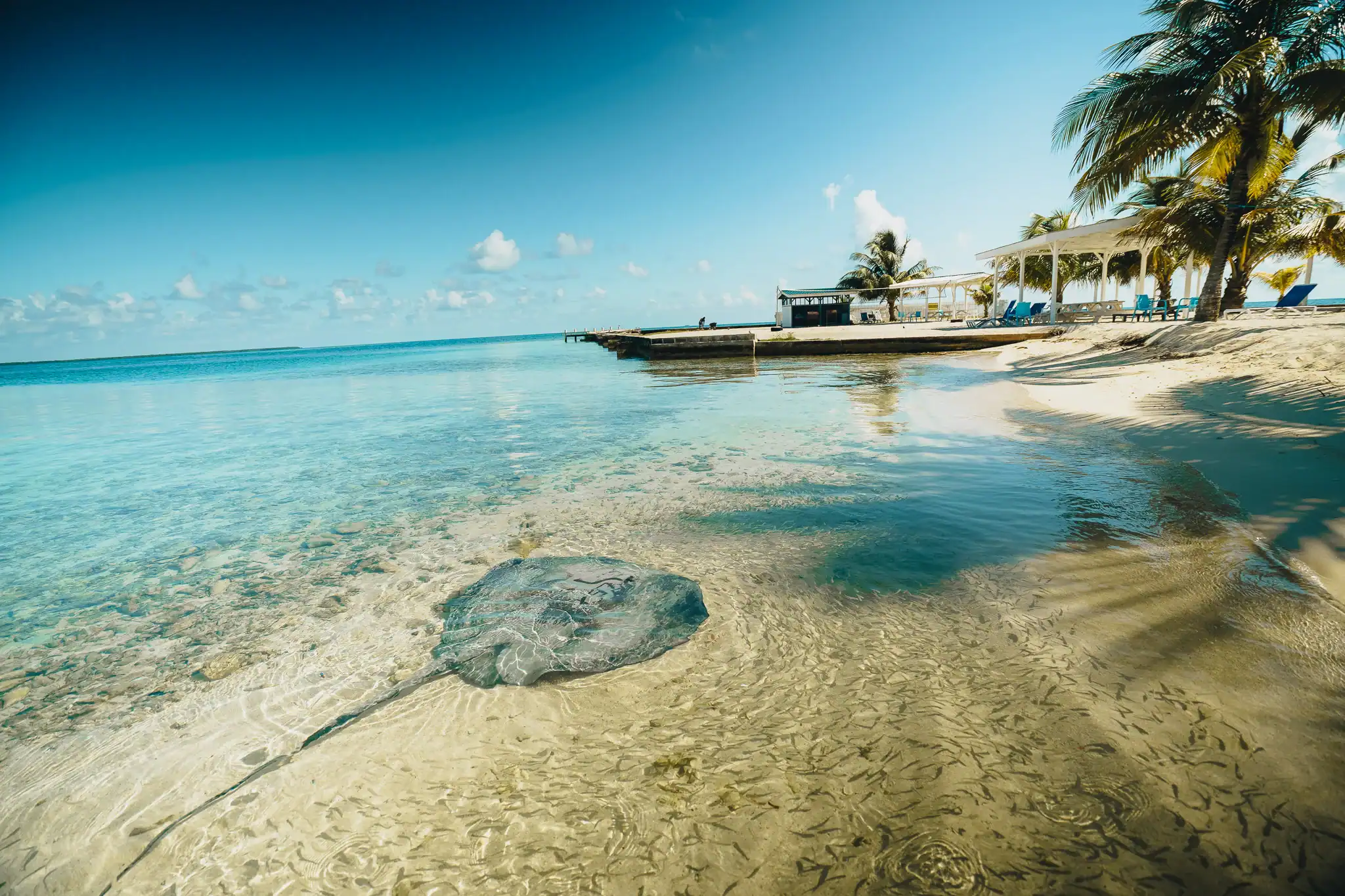
- Take a water taxi to Tobacco Caye, your island base inside South Water Caye Marine Reserve for four nights.
- Meet Tobacco Caye Marine Station staff and review island facilities, snorkeling safety, and current reef, seagrass, mangrove, and marine debris projects.
- Travel by boat to Bird Caye to observe nesting seabirds, including magnificent frigatebirds.
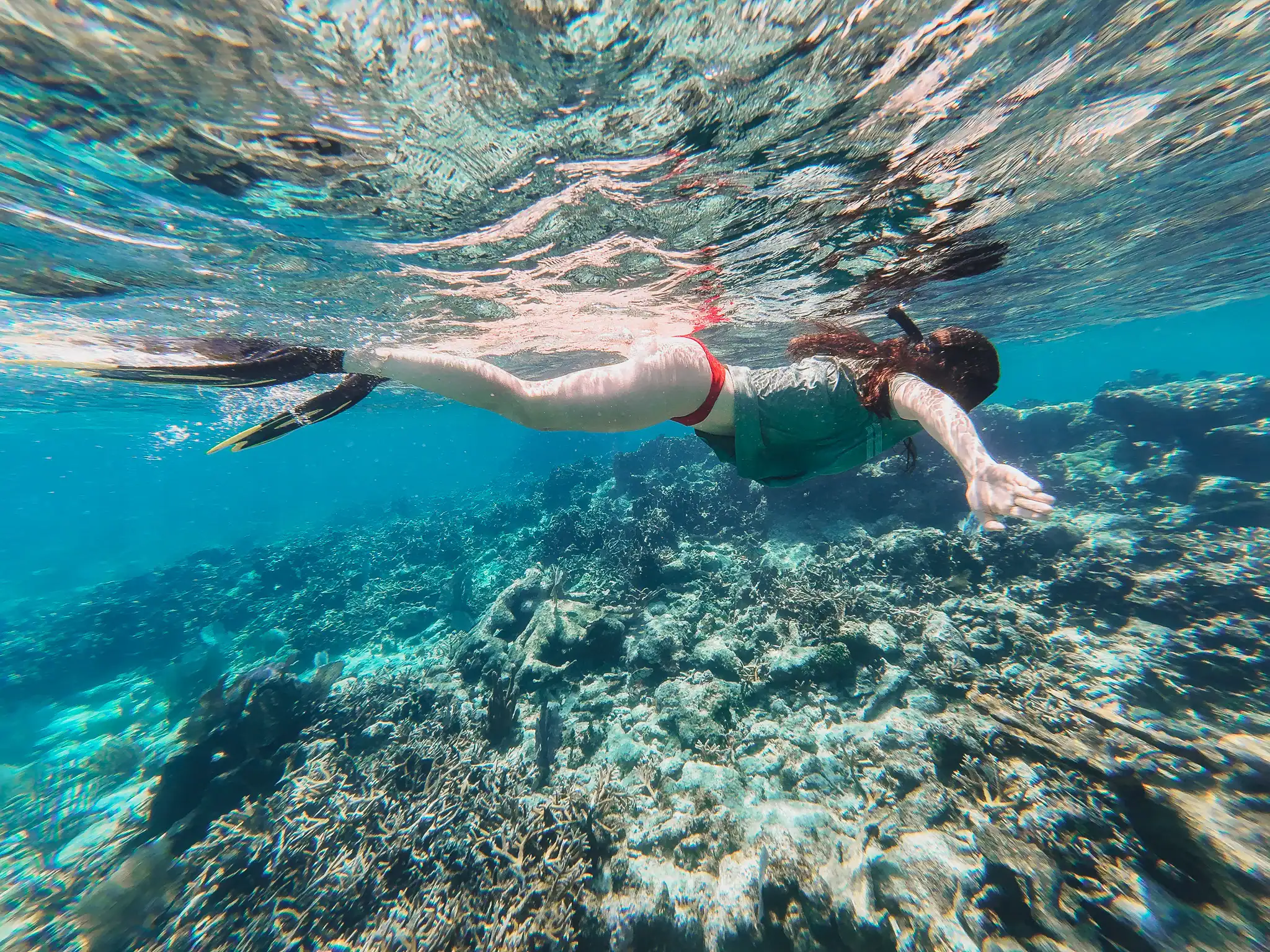
- Snorkel the Tobacco Range mangrove channel and explore how mangrove roots provide nursery habitat for marine life.
- Stop at Carrie Bow Caye for a research station overview and conversation with resident researchers, if available.
- Enjoy a picnic lunch on South Water Caye and a patch reef or forereef snorkel, conditions permitting.
- Explore Emily’s Reef by boat and snorkel, identifying coral diversity, reef fish, and spur-and-groove formations.
- Join a supervised reef and shoreline clean-up, collecting and documenting plastic and other marine debris.
- Log debris type, quantity, and likely source to connect local fieldwork with ocean pollution research.
- Return to the water after dark for a guided night snorkel focused on nocturnal reef life.
- Learn about invasive lionfish biology, reef impacts, and safety protocols from Tobacco Caye Marine Station staff.
- Join guided patrol snorkels at patch reef sites and the station’s supervised lionfish removal and monitoring program.
- Watch a staff-led lionfish cleaning and cooking demonstration and discuss how targeted removal connects conservation with local food use.
- Travel by boat to Dangriga and continue by road to the Belize Zoo Tropical Education Center for your final night.
- Use your field notes to compare research evidence from rainforest streams and coral reefs.
- Prepare a short summary of your findings to share at home, then celebrate the program with a final group dinner.
- Have breakfast at the Tropical Education Center and prepare for departure.
- Transfer to Philip S. W. Goldson International Airport for your flight home.
Educational Focus & Highlights
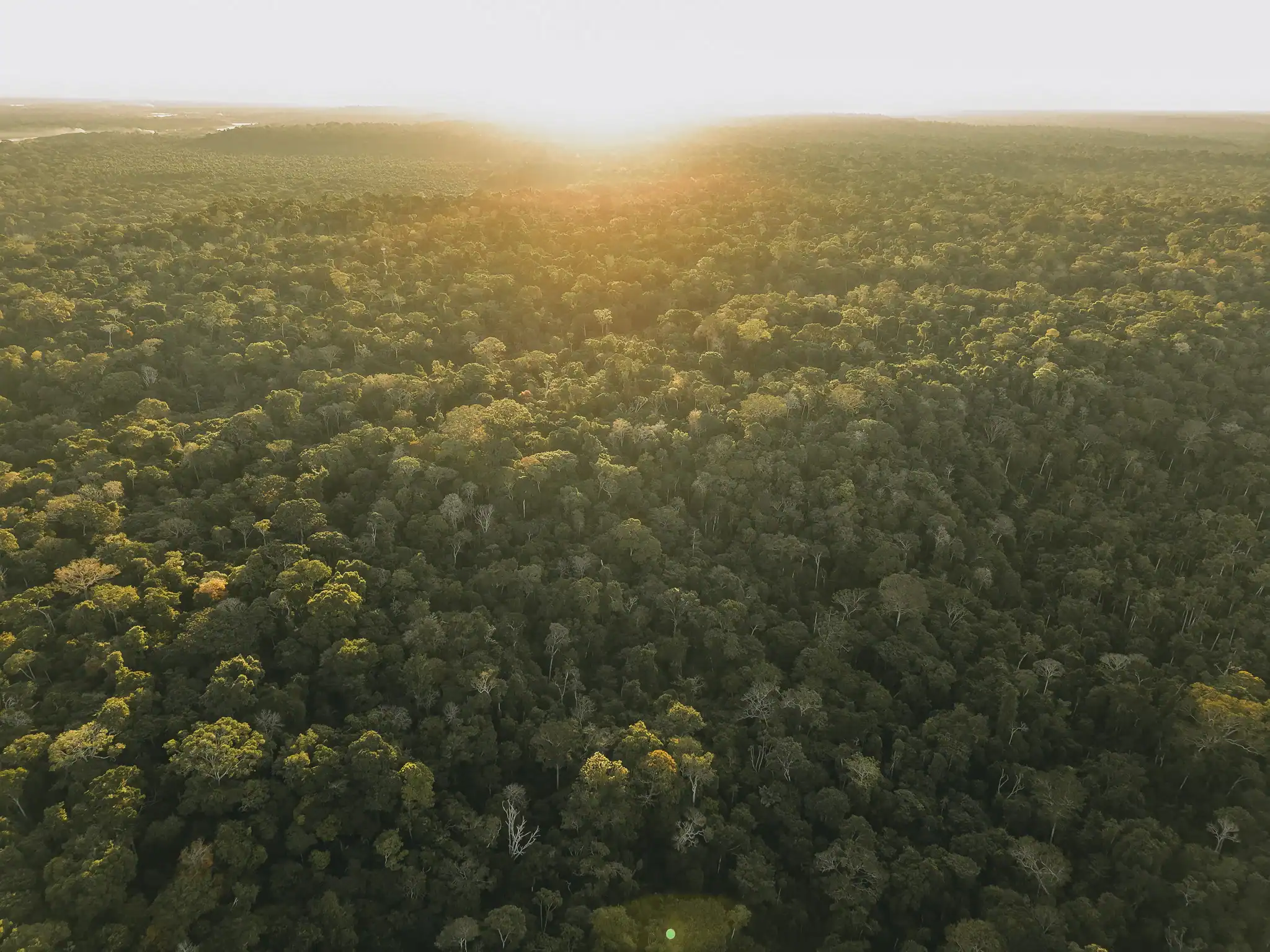
Rainforest & Stream Ecology
Sample freshwater invertebrates along Dry Creek and investigate what they reveal about watershed health. Connect stream observations with forest habitats and the wider questions guiding research.
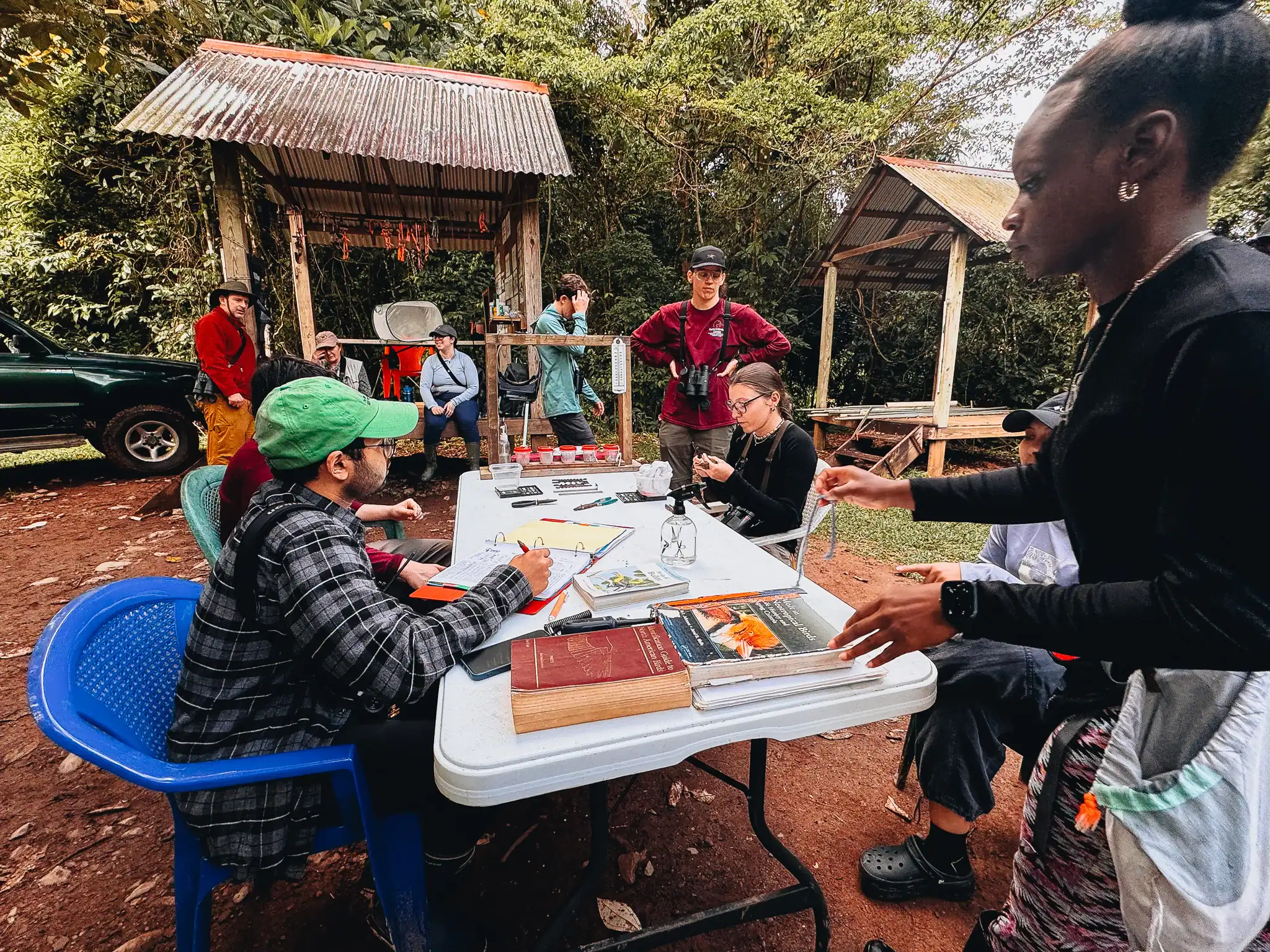
Wildlife Research & Field Methods
Learn about sea turtle tracking, bird mist-netting and banding methods, and frog and reptile survey techniques alongside resident biologists. Practice careful data recording and examine why repeated observations matter.
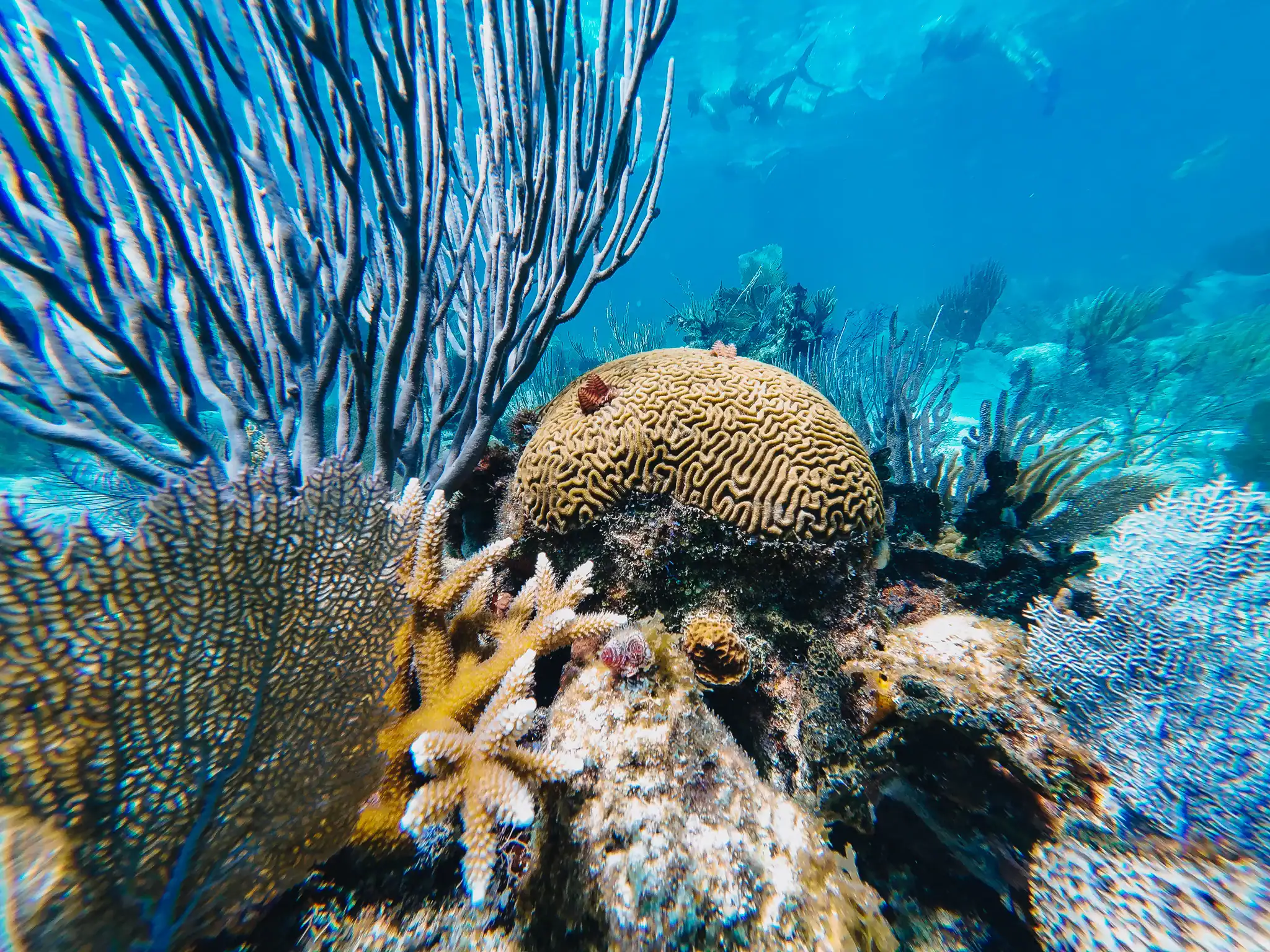
Coral Reef & Mangrove Ecology
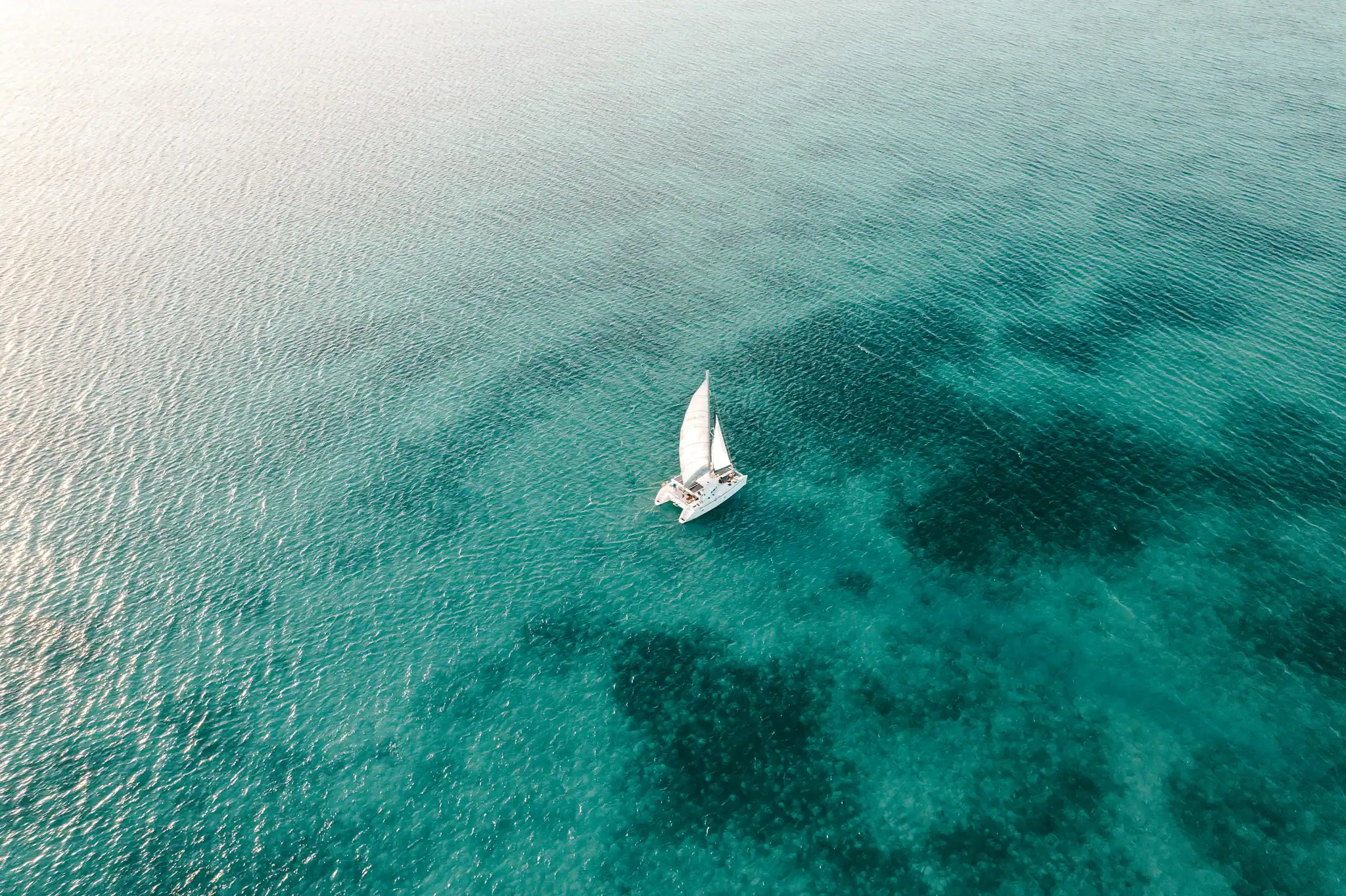
Snorkel South Water Caye Marine Reserve and Emily’s Reef with station staff and guides. Identify marine species, observe coral condition, and compare reef and mangrove habitats. A guided night snorkel introduces the reef after dark.
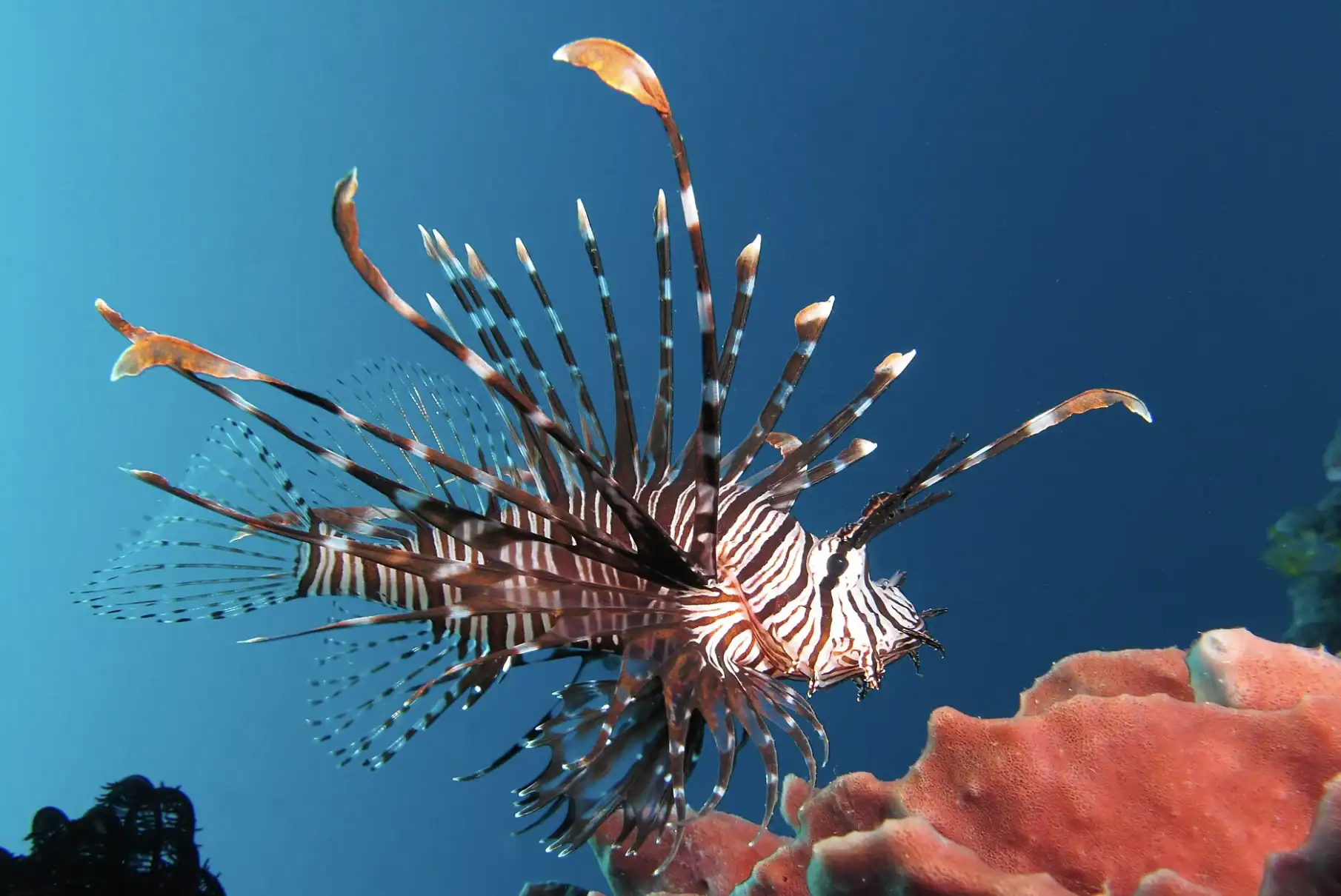
Lionfish Monitoring & Marine Conservation
Document debris from reef and shoreline clean-ups and join supervised lionfish monitoring and removal. Compare findings across sites and consider what your data supports, what remains uncertain, and how monitoring informs conservation.
Gallery
Lodging
Participants
Students stay three nights at a Field Station, four nights at Tobacco Caye Marine Station, and one night at a Tropical Education Center. Lodging is dorm-style or shared-room throughout. Tobacco Caye has shared facilities and limited freshwater and electricity, offering an immersive introduction to life at an island field station.
Chaperones
Adult leaders accompany students at each program base. Lodging is shared-room or dorm-style throughout the program. Global Works will confirm chaperone room arrangements and facilities during trip planning.
Bring Your Classroom to the World
Collaborate with Global Works on an impactful service-learning travel program for your students.