How to Choose a Service-Learning Travel Provider for Your School

Updated September 2026. Choosing a service-learning travel provider is one of the biggest decisions in planning a school trip abroad. Here is what to ask, and what good answers sound like.
How do you choose a service-learning travel provider?
Choose a service-learning travel provider that builds the trip around your learning goals, works with community partners who decide what service is needed, and can explain its safety plan in detail. Ask every provider the same questions, get the answers in writing, and talk to a teacher who traveled with them recently.
This guide walks through what to look for, what good answers sound like, and 10 questions to ask any company before you sign. We run school trips ourselves, so we use Global Works as the example throughout. The questions work for any service-learning travel provider.
Quick checklist
| What to check | What a strong answer looks like |
|---|---|
| Learning goals | The itinerary is built around your curriculum, dates, group size, and budget |
| Service | Community partners choose the projects, and the work continues after you leave |
| Safety | Background-checked, first-aid-certified leaders, a 24/7 emergency line, and a clear plan in case of emergencies |
| Leadership | A full-time trip leader travels with your group for the whole program |
| Cost | A clear list of what tuition covers, and what it doesn’t |
| Group | Your students travel as a private group, not mixed with strangers |
| Support | Help with parent meetings, enrollment, forms, and reflection after the trip |
1. Start with what you want students to learn
The right service-learning travel provider starts by asking about your classroom, not by handing you a catalog. Before you request quotes, write down two or three learning goals. A Spanish teacher might want daily conversation practice. A science teacher might want fieldwork on conservation. A social studies teacher might want students to see the history they studied.
Then ask each provider how the trip will serve those goals. A strong answer names specific activities, not general themes.
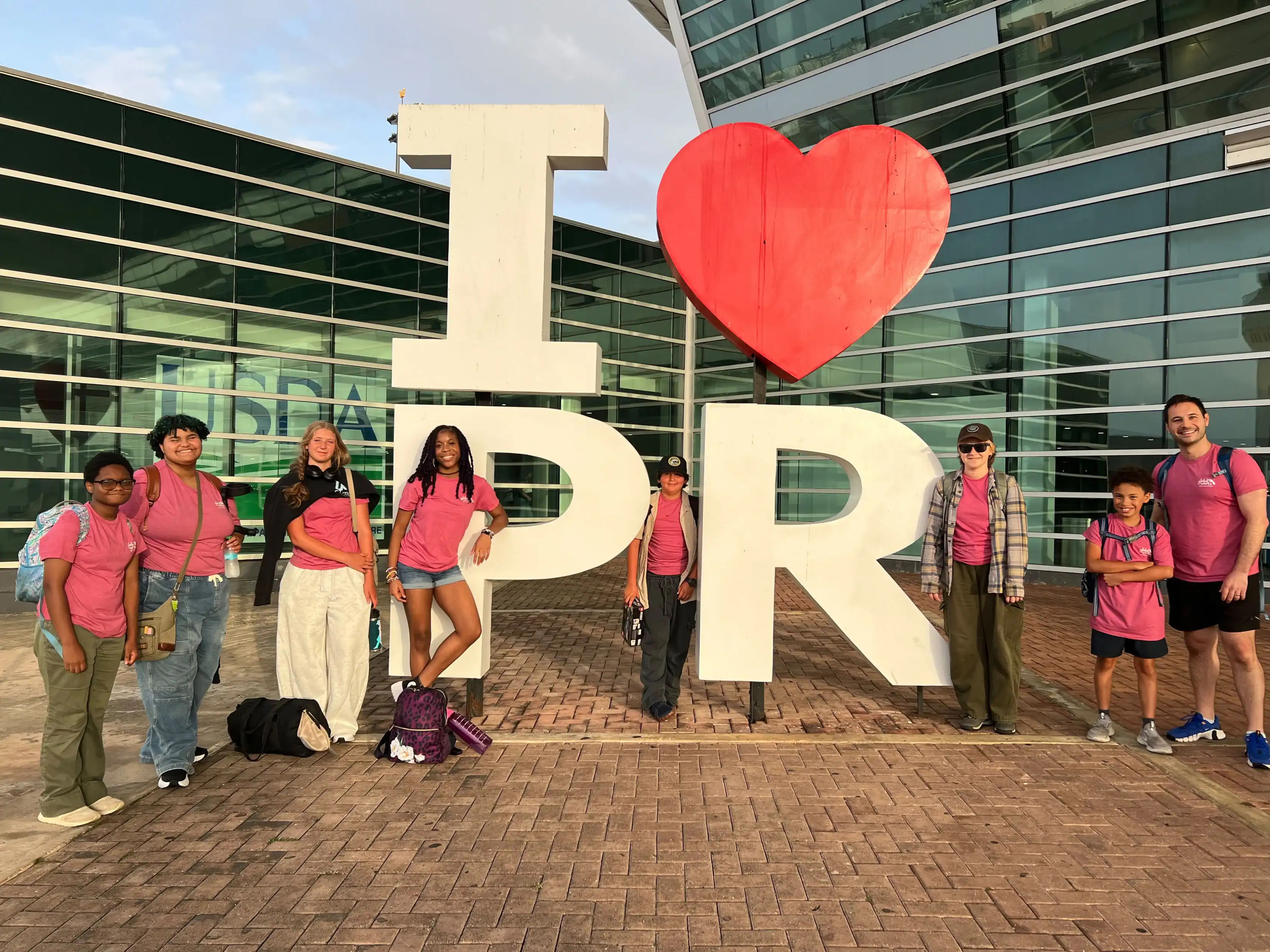
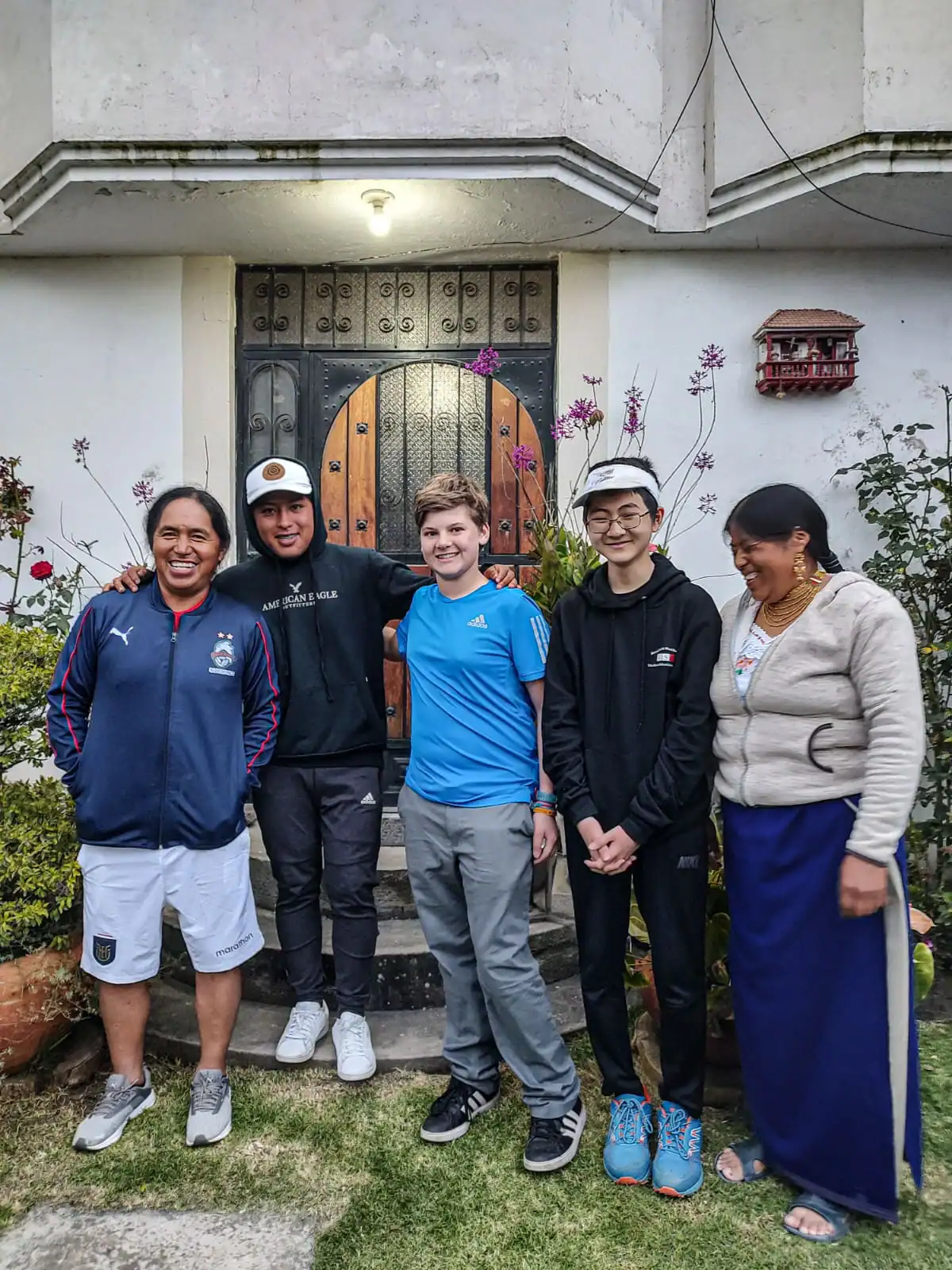
At Global Works, school trips are built around your trip goals, curriculum, dates of travel, group size, and budget. Programs range across themes like language immersion in Spanish or French, wildlife and conservation, civil rights and social justice, pre-med and public health, community building projects, and service with adventure. Destinations include Costa Rica, the Dominican Republic, Ecuador, France, Peru, Puerto Rico, Spain, and the United States.
Watch for: a provider that can only offer fixed itineraries, or that can’t explain how a day on the trip connects to what students learn in class.
2. Find out who decides what the service is
Good service-learning answers a need the community itself has named. Weak service-learning is a project invented for visitors: painting a wall that was painted last week, or a one-day build that nobody maintains.
Ask each provider three things:
- Who is the local partner? You should get a name, not “a local organization.”
- Who chose the project? The answer should be the community or partner, not the travel company.
- What happens after your group leaves? Look for ongoing work that the next group, or the community, carries forward.
Also ask how students prepare before the trip and reflect after it. Preparation and reflection are what turn volunteer hours into learning.
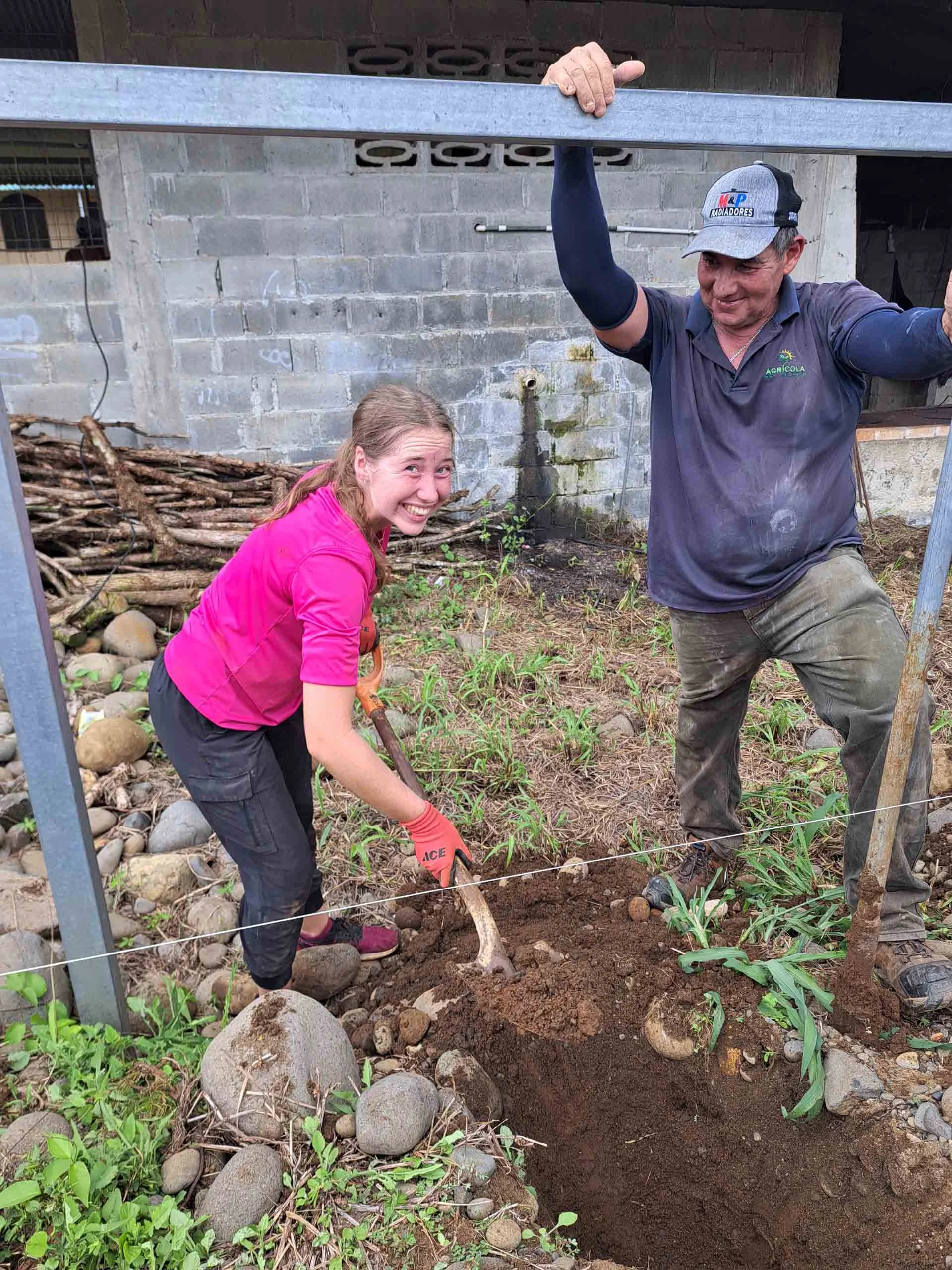
Global Works has run programs since 1989 and has long-standing relationships with community partners in each destination. Our groups take part in 147 community service projects a year, and students receive a Community Service Certificate after the program. We also send teachers ideas for bringing the experience back into the classroom.
Watch for: orphanage visits, construction with no local oversight, or any provider that can’t name its partners.
3. Ask detailed safety questions
Every service-learning travel provider says safety comes first. The difference is in the details. Ask for specifics on leaders, emergency response, and outside oversight.
| Ask about | What a strong answer includes | How Global Works answers |
|---|---|---|
| Leader screening | Background checks and current first-aid certification for every leader | All leaders are background checked and certified in First Aid and CPR; many hold Wilderness First Aid or Wilderness First Responder certification |
| Training | Required training every year, not only at hiring | All staff attend a comprehensive training in Colorado each year |
| Emergency line | A 24/7 on-call contact who can make decisions | A Global Works director on call 24/7 through a dedicated emergency line |
| Emergency plan | Confirm they have a plan in case of emergencies | An emergency plan and risk assessment for every program destination |
| Outside oversight | An independent risk management partner | Cornerstone Safety Group provides on-call medical, mental health, and risk management support |
| Supervision | A stated student-to-staff ratio, day and night | An 8-to-1 student-to-leader ratio |
| Insurance | Clear medical, evacuation, and cancellation coverage | Emergency and cancellation coverage available through battleface |
Check the U.S. State Department travel advisory for your destination. Also ask how the provider checks on students during the trip and how it communicates with parents. Global Works leaders check in with individual students and the group throughout the program, and parents get blog updates with photos while the group travels. Read more about how we approach safety on our Culture of Safety page.
Watch for: vague answers, no named emergency contact, or no clear plan for what happens in an emergency.
4. Know who leads the trip
Your students will spend most of their time with the provider’s trip leader, so ask who that person is. Find out whether the leader travels with you for the whole program or hands you off to local guides each day, and how many leaders return year after year.
At Global Works, a full-time trip leader travels with your group from start to finish. The leader handles logistics so teachers can focus on students and learning. About 80% of our leaders return each year. Our leaders also live and travel with the group throughout the program, including overnight. They aren’t guides who clock out at the end of the day. They travel and live alongside students as mentors. Before departure, your Global Works trip leaders hold pre-trip meetings with your school chaperones, so everyone knows the plan and each other before the group travels.

5. Get the full cost in writing
Compare quotes line by line. Two prices can look close until you see what each one leaves out.
- Ask what tuition covers: meals, lodging, ground transportation, activities, the trip leader.
- Ask what it doesn’t: airfare, insurance, tips, optional activities.
- Ask about teachers: how many chaperones travel free, and at what group size.
Global Works tuition covers three meals a day, lodging, transportation, and a full-time guide. Airfare is arranged through a partner travel agency. Teachers travel free, usually two or more depending on group size.
6. Keep your group together
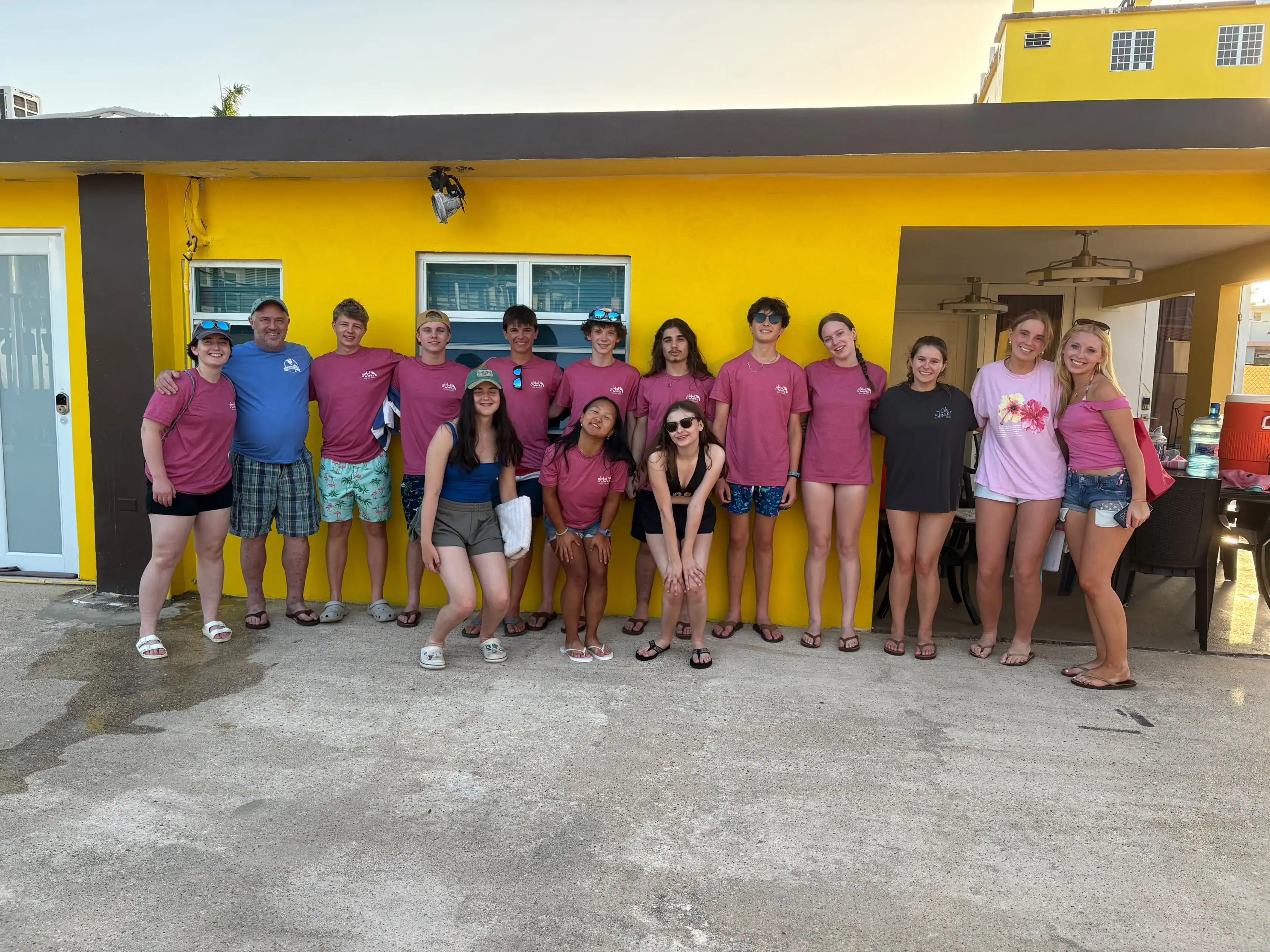
Some providers combine several schools on one tour to fill seats. Ask whether your students will travel only with your school. Global Works school groups travel as private groups, with a minimum of 10 full-paying participants.
7. Look at support before and after the trip
A good provider does much of the planning work that otherwise lands on you. Ask what help you get with parent meetings, enrollment, forms, and payments.
Global Works gives each group a trip kit with itineraries, a personalized webpage, and materials for informational meetings. Your school works directly with our School Group Travel Director, not a sales team, from the first quote through the trip. We handle enrollment and forms, and our director can join your parent meetings. Families get a personal login page for medical forms, insurance details, and packing lists, and payment plans are available.
10 questions to ask any service-learning travel provider
- How will this itinerary support our specific learning goals?
- Who are your local partners in this destination, and how long have you worked with them?
- Who chose the service project, and what happens to it after we leave?
- How do students prepare before the trip and reflect after it?
- What are your leaders’ background checks, certifications, and annual training?
- What is your student-to-staff ratio during the day and overnight?
- Who is on call for emergencies, and what is your plan in case of an emergency?
- What does tuition include, and what costs will families pay on top of it?
- Will our students travel only with our school?
- Can I talk to two teachers who led a trip with you in the past year?
Frequently asked questions
Most schools start 9 to 12 months ahead. That leaves time for parent meetings, enrollment, fundraising, and passports. For a step-by-step timeline, see Everything Teachers Need to Know About Planning a School Trip.
Service-learning connects community work to what students study, with preparation before and reflection after. Volunteer tourism is short-term work designed around the visitor’s experience rather than the community’s needs.
With many providers, yes. Global Works includes free travel for teachers, usually two or more depending on group size.
Yes. Ask the provider to show you a sample day that ties directly to your curriculum.
Ready to plan your trip?
Global Works is a service-learning travel provider and Certified B Corporation that has run educator-led service and language programs since 1989. Start with our Trip Planner to get a custom itinerary and quote, or contact our School Group Travel Director to talk it through.