Safety Isn’t a Checklist. It’s a Culture.
How Global Works approaches risk management on every program we run.
When a school entrusts Global Works with their students, they’re not just handing over a signed permission slip. They’re handing over their most important responsibility. We take that seriously, not just in the big moments, but in the hundreds of small decisions that shape a well-managed, meaningful trip.
Over 36 years and tens of thousands of students, we’ve developed seven guiding principles that define how our staff think about, prepare for, and respond to risk. These aren’t talking points. They’re the foundation of how we work: in the field, in our planning, and in how we select and train the people who lead our programs.
RISK MANAGEMENT GUIDING PRINCIPLES
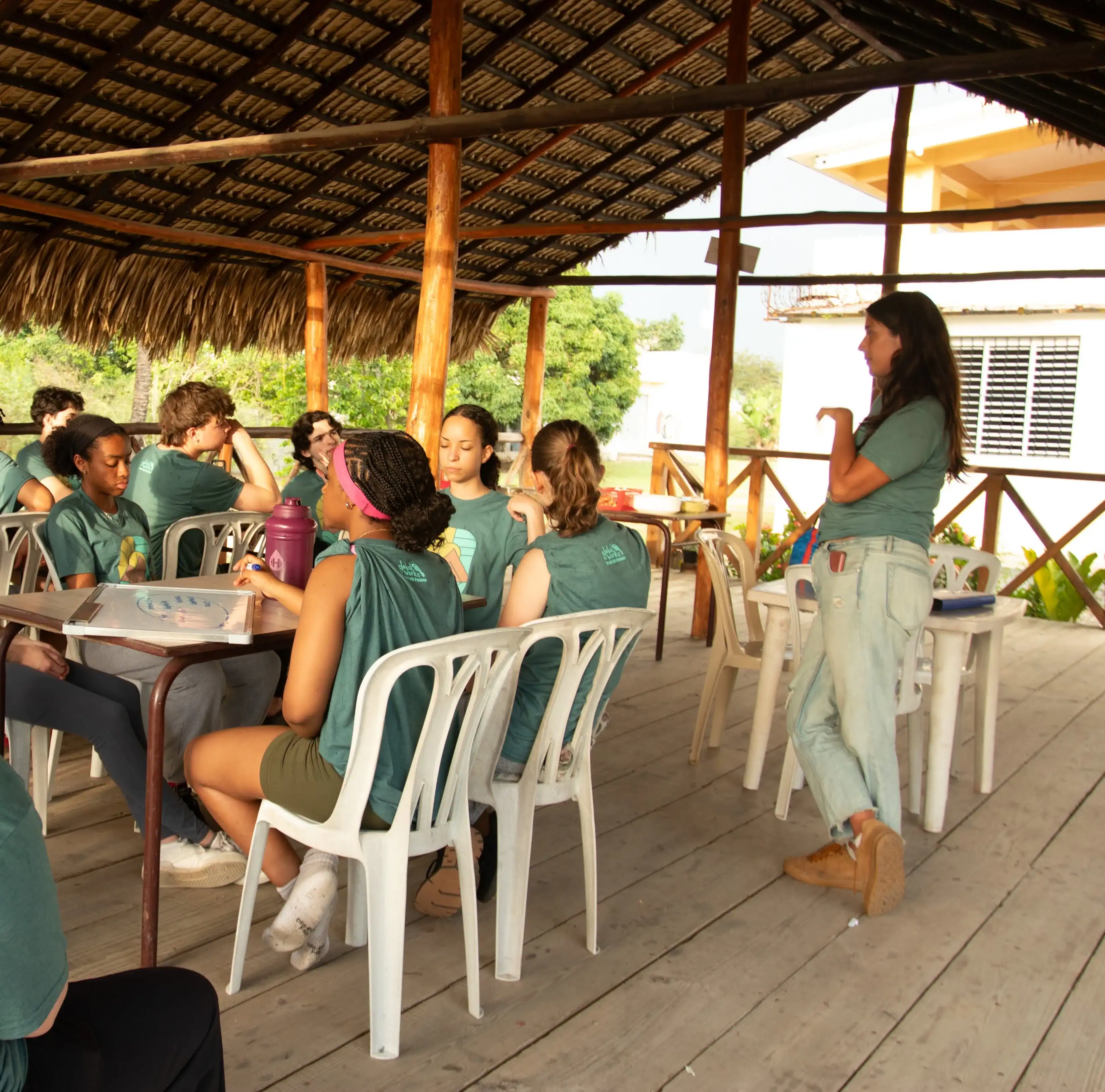
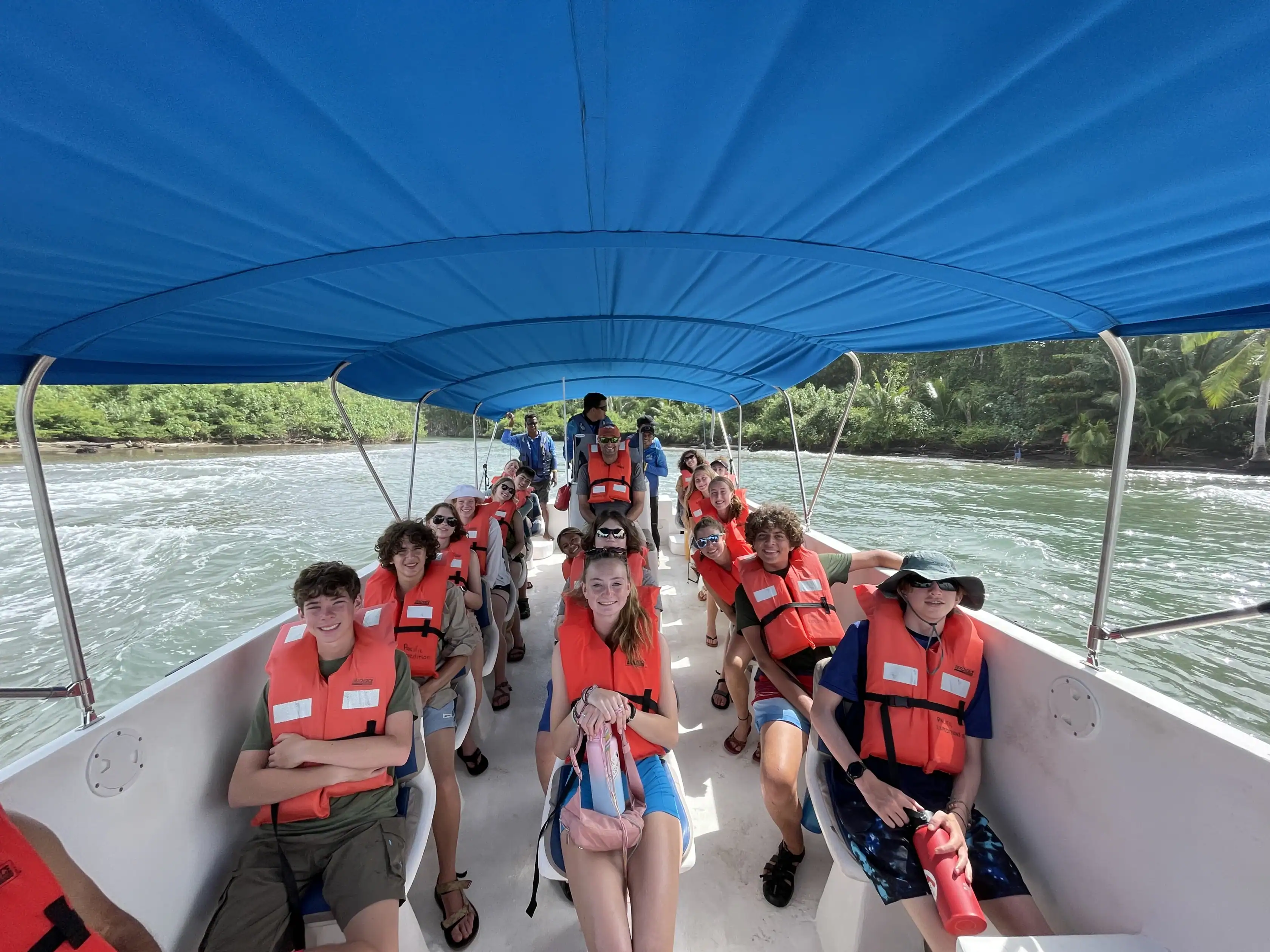
What ties these guiding principles together isn’t a policy manual. It’s relationship. Well-run trips are built on trust between leaders and students, between our staff and faculty, and between Global Works and a school community. That trust is earned, renewed, and strengthened with every program we run.
“The success of any human endeavor is directly related to the strength of the relationships between the people involved.” — Doug Mahon
When the unexpected happens on a trip, and at some point it always does, what matters most is what you put in place before it happened. The knowledge your leader carried. The culture your group had built. The habit of slowing down instead of speeding up.
That’s not luck. That’s preparation. And it’s what we bring to every program Global Works operates.
Learn more about of Student Program Culture of Safety.
Want to learn more about how Global Works prepares its program leaders?
We’d love to walk you through our staff training, protocols, and how we partner with schools to keep students in good hands. Reach out to start the conversation.