Puerto Rico
Grassroots Environmental Action
About the Program
The environmental school group program empowers students to explore food sovereignty in Puerto Rico through historical, political, and social perspectives. Food sovereignty means communities having a say in how their food is grown, distributed, and accessed. Students engage in hands-on learning by partnering with local communities and organizations that are advancing sustainable agriculture, environmental stewardship, and community resilience. Through service, education, and collaboration, students gain a deeper understanding of the challenges and opportunities involved in restoring food sovereignty while caring for the land and strengthening local food systems.

Itinerary
Bring this itinerary to life for your students! Tell us about your group’s goals and preferred travel dates, and we’ll be in touch soon.
- Arrive at Luis Muñoz Marín International Airport in San Juan, Puerto Rico, and meet your Global Works trip leaders.
- Transfer by private vans to group lodging on the north coast.
- Attend a brief safety orientation and settle into your rooms.
- Discuss the week ahead and begin exploring the connections between food, culture, land, and community in Puerto Rico.
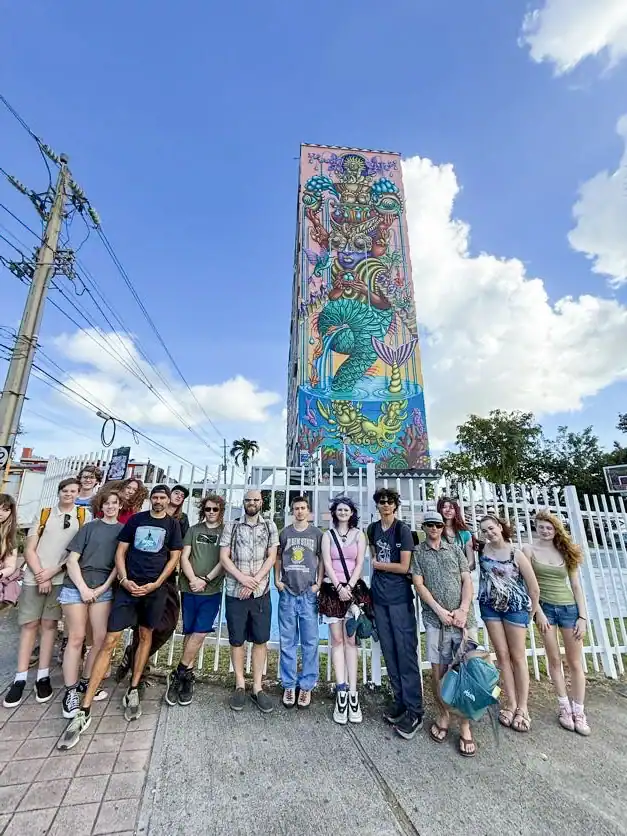
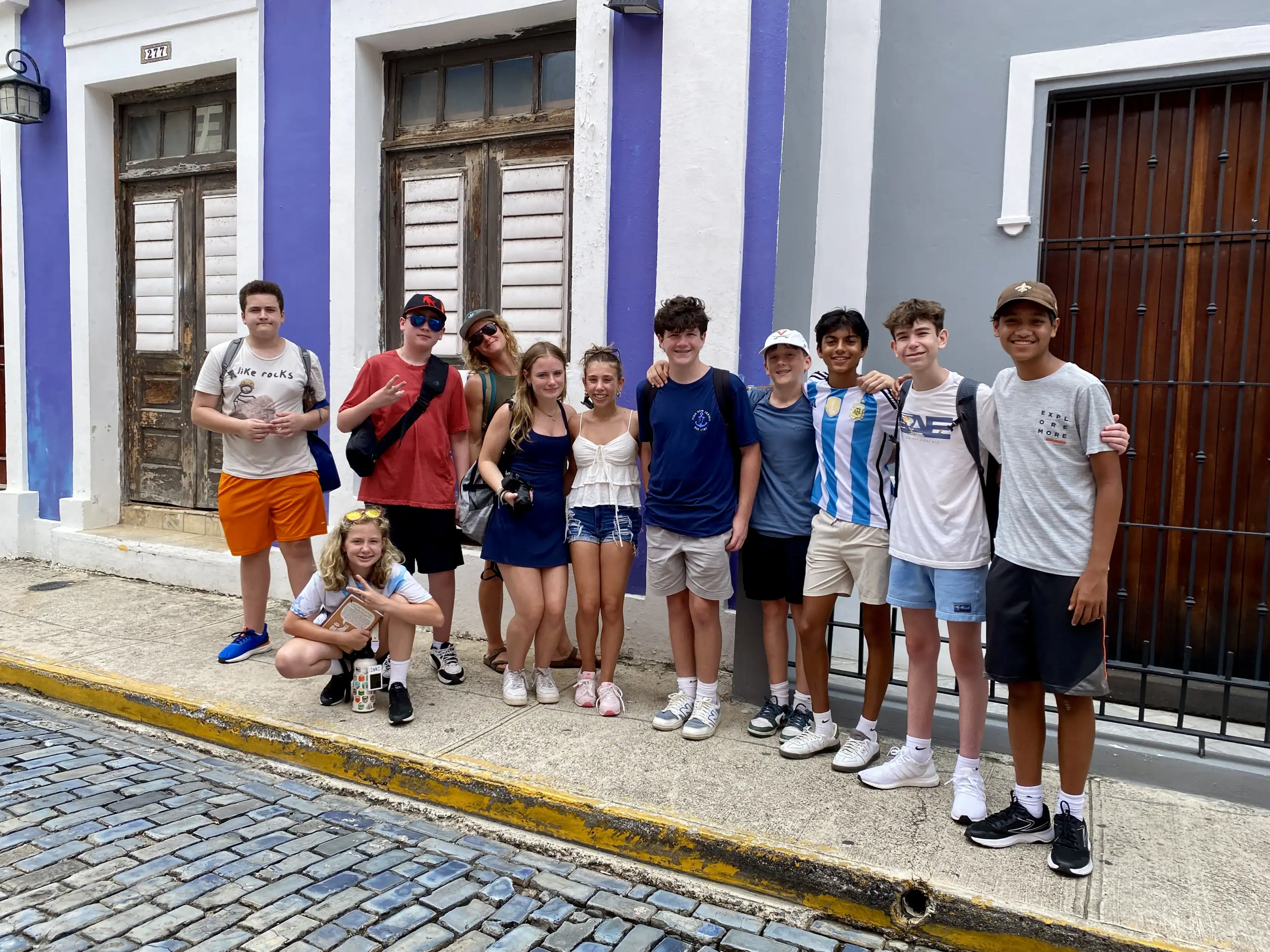
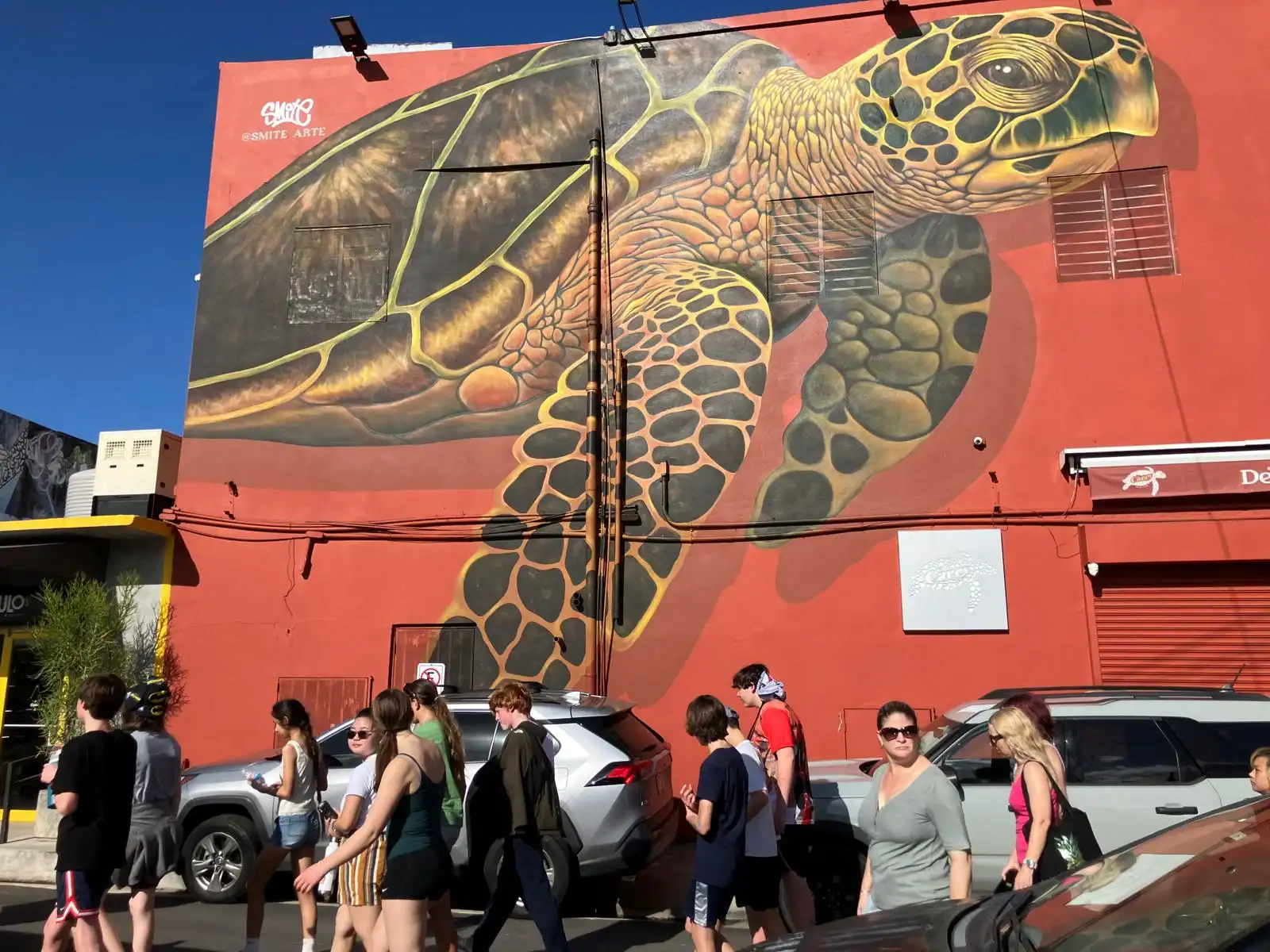
- Explore Santurce on a locally guided walking tour focused on public art, community activism, and Puerto Rican culture.
- Learn about the historical and political forces that have shaped agriculture, food access, and food sovereignty across the island.
- Enjoy lunch at Produce and discover how locally grown ingredients support Puerto Rican farmers and food systems.
- Reflect as a group on the connections between food, identity, resilience, and place.
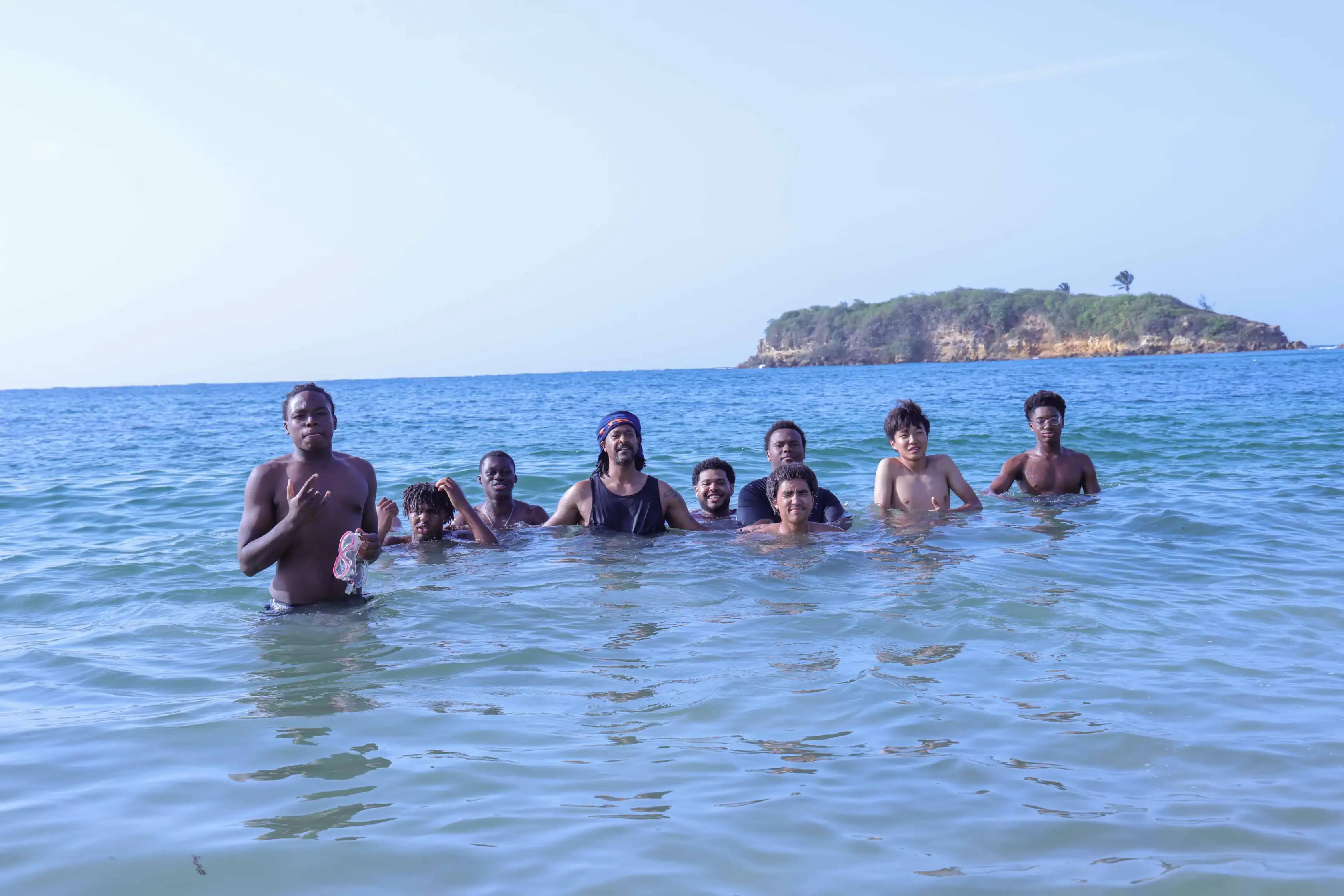
- End the day with a refreshing dip in the ocean.
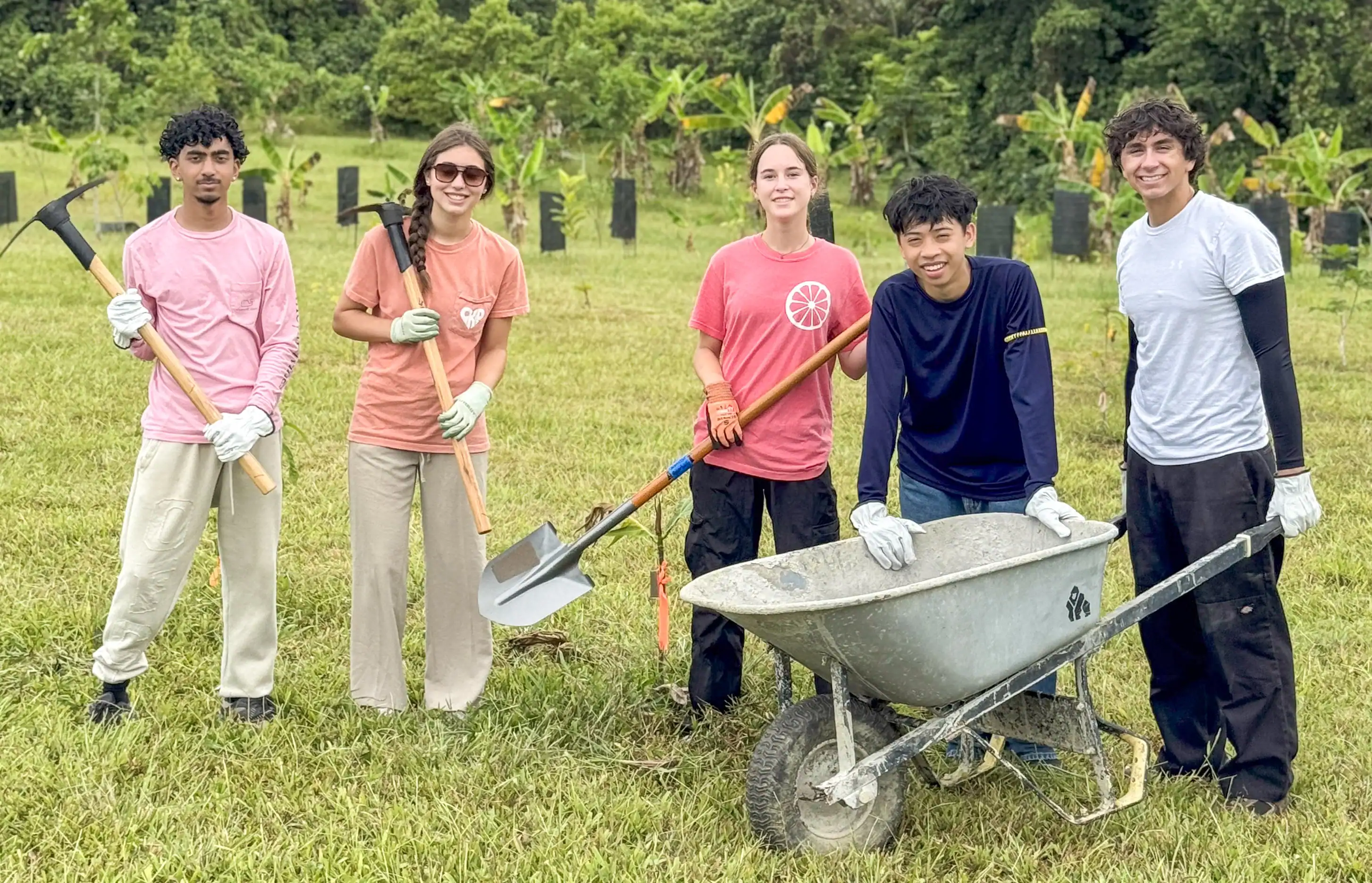
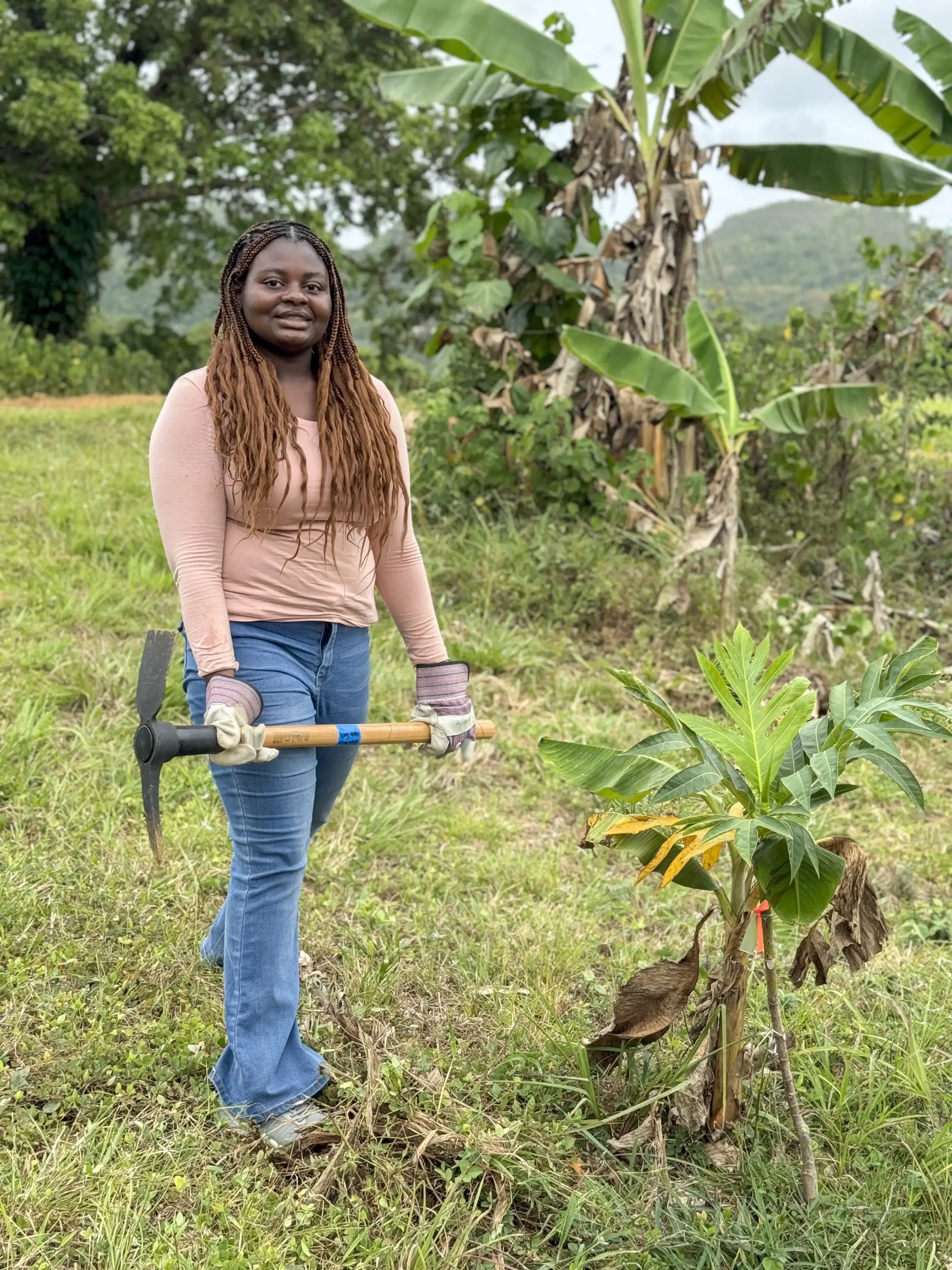
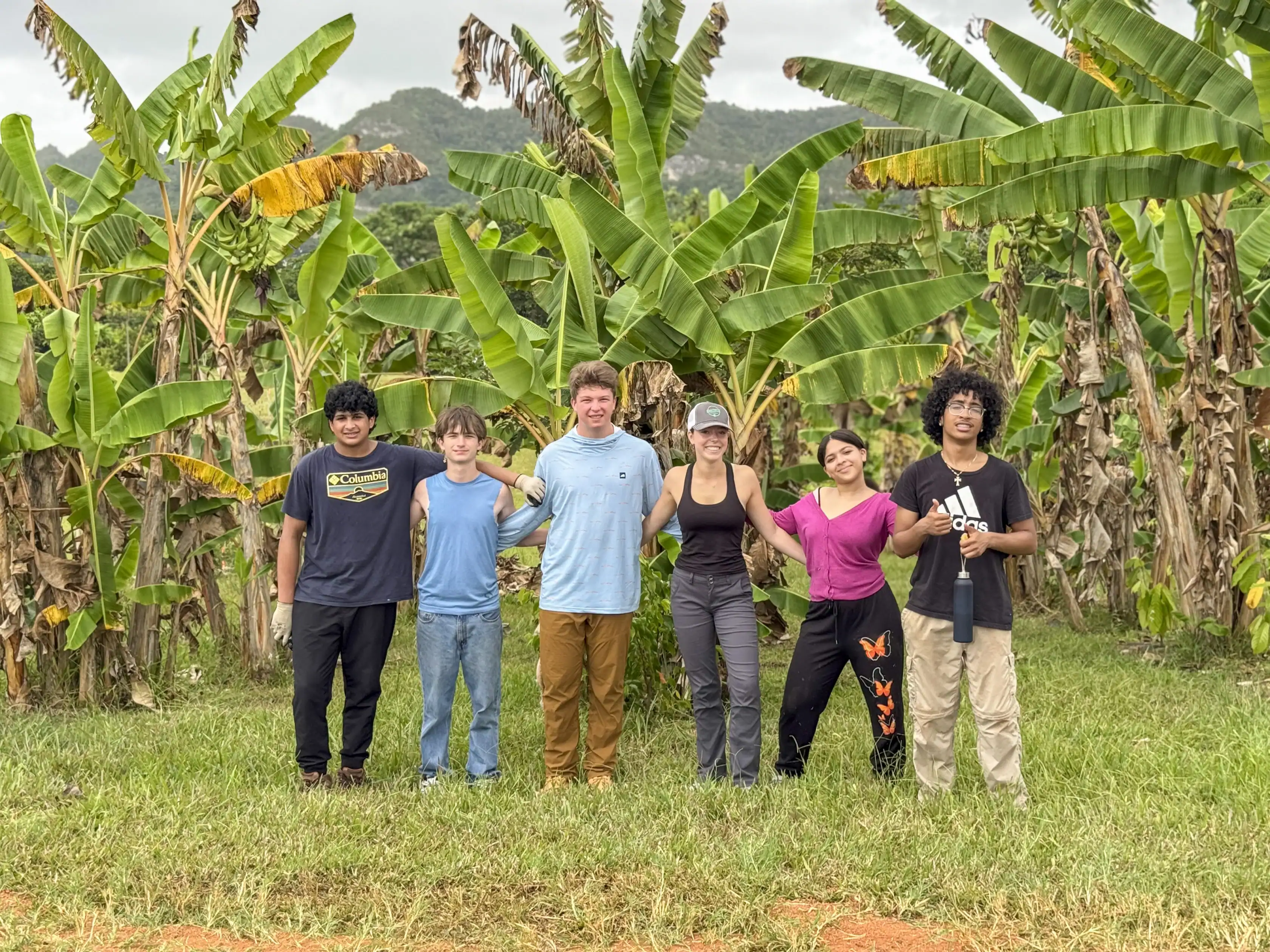
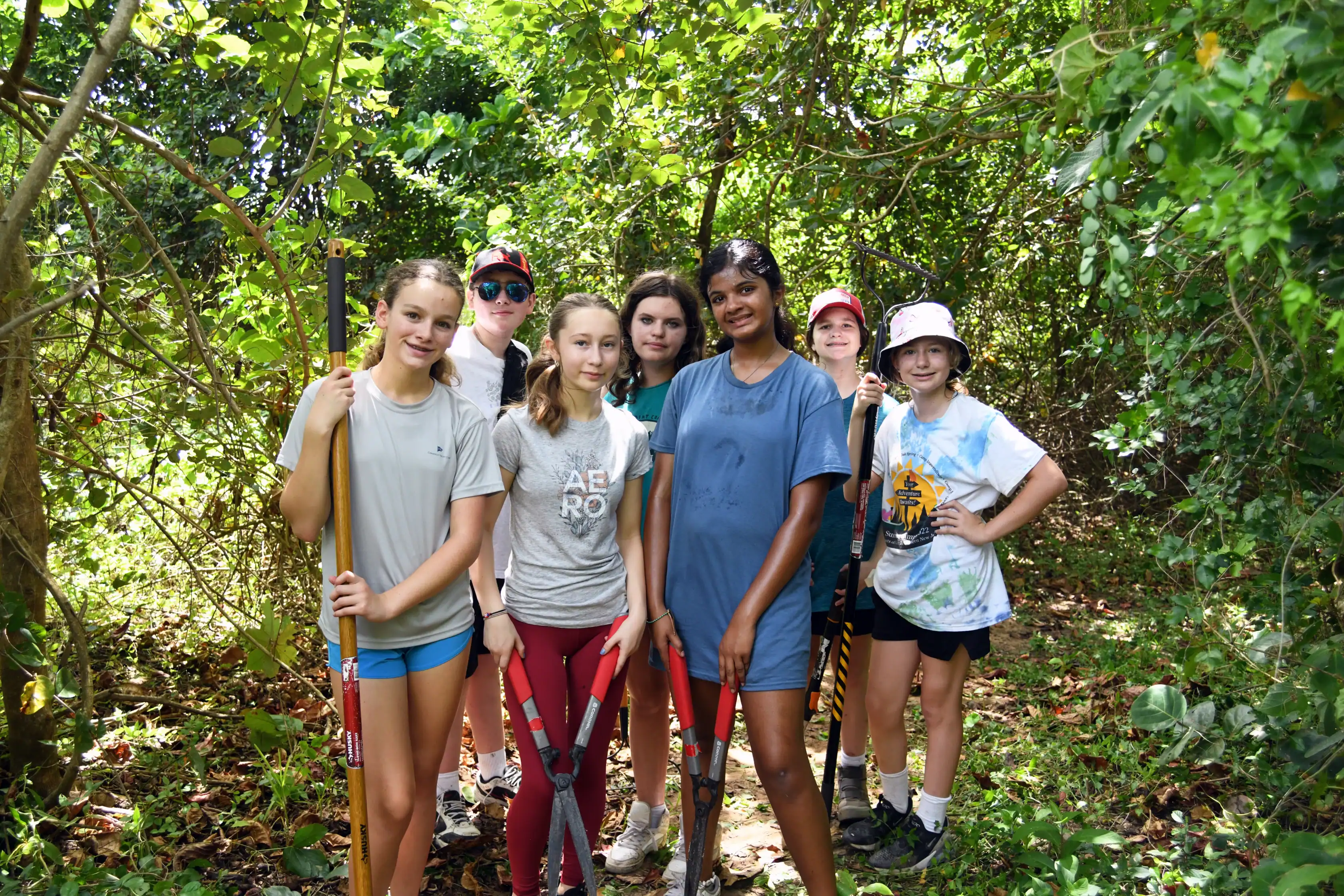
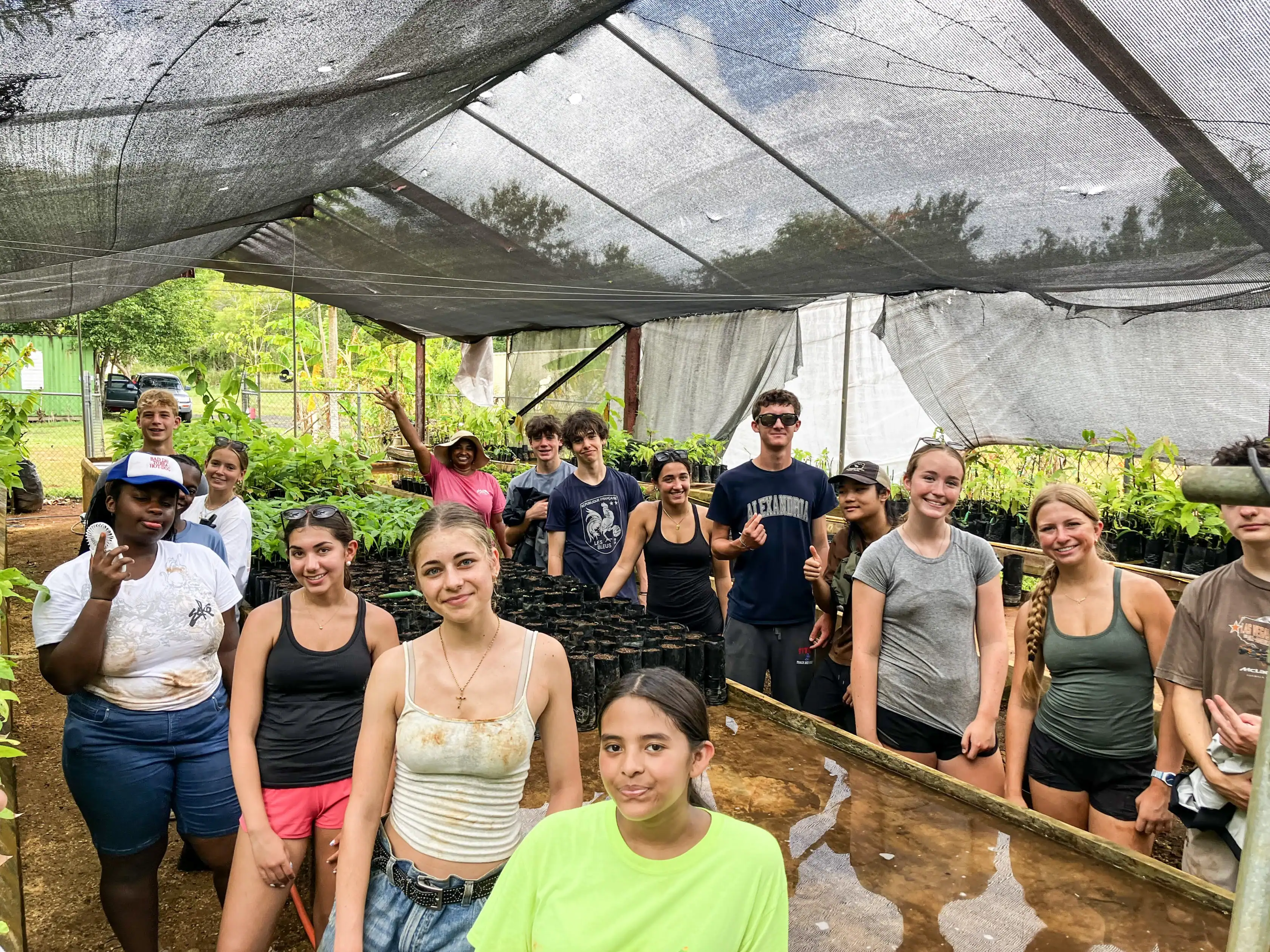
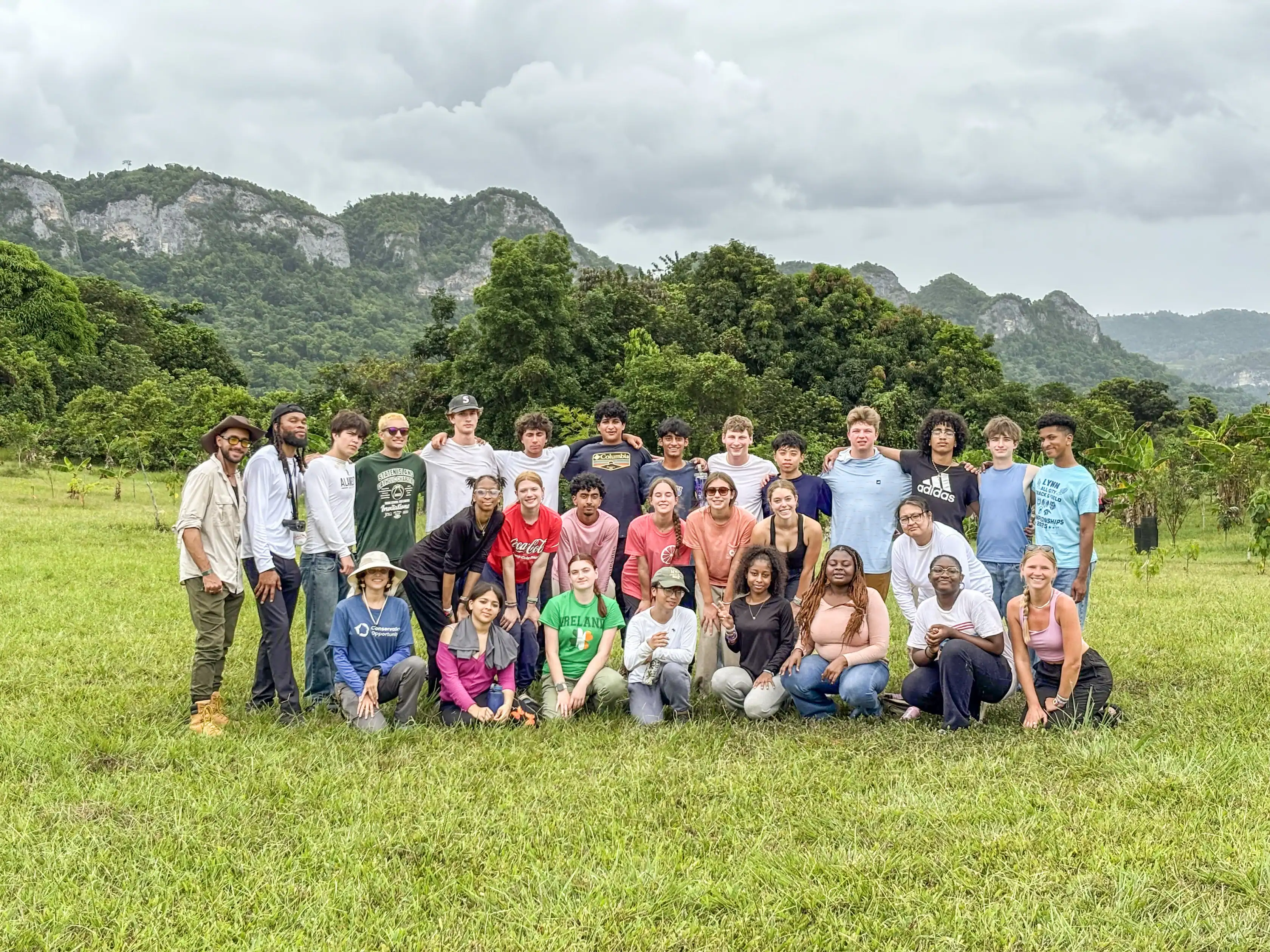
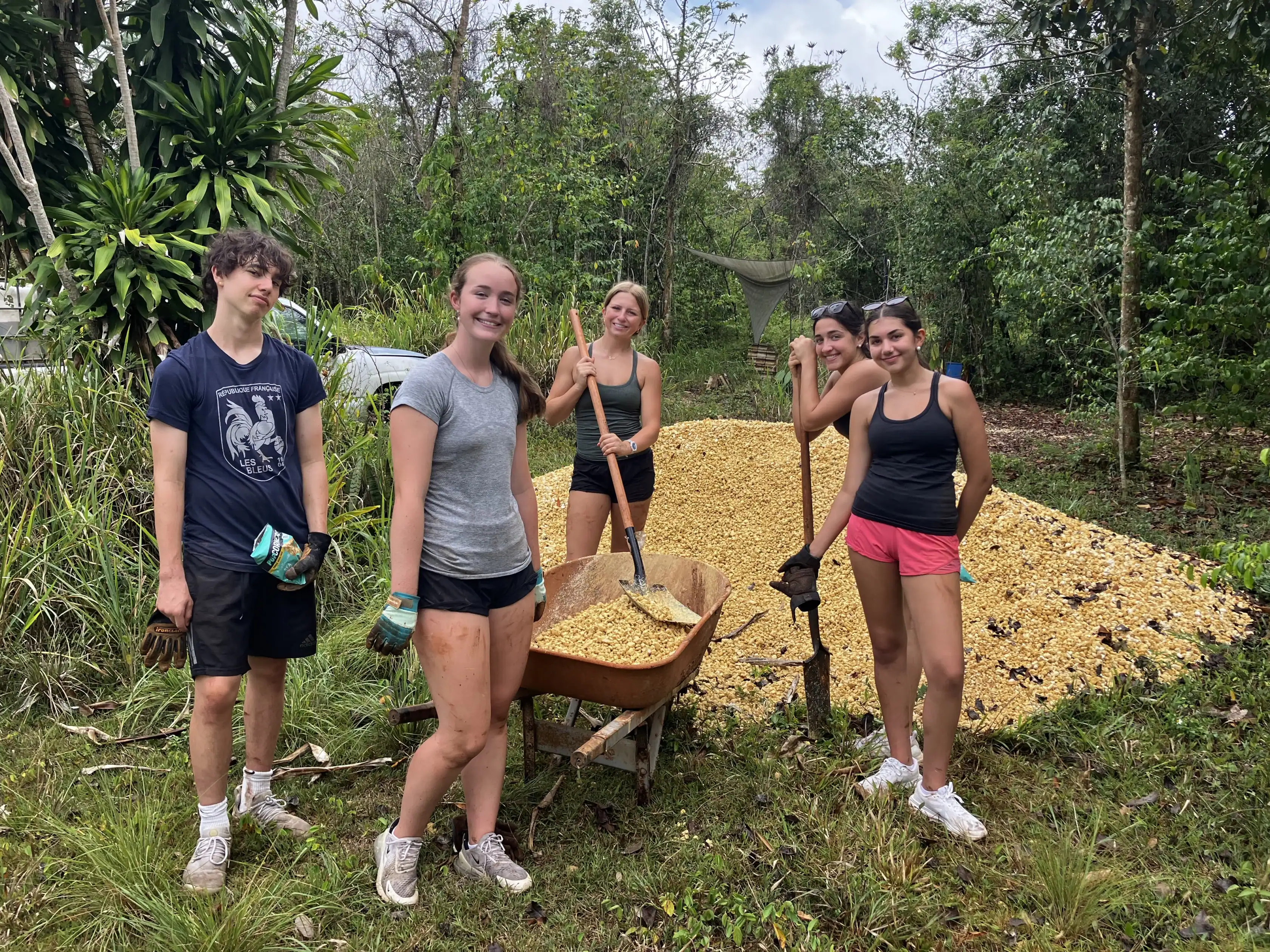
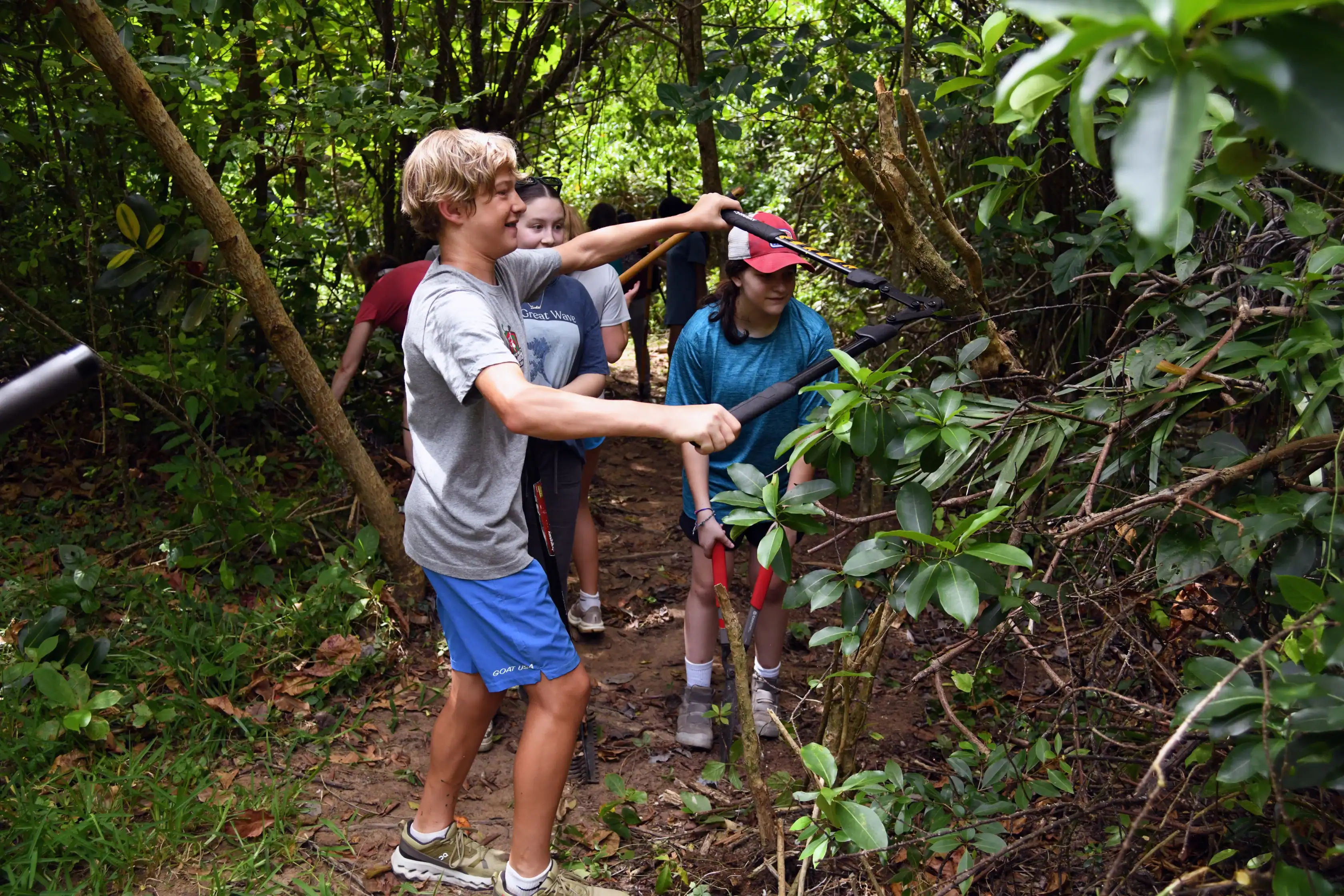
- Partner with local farms and community organizations for hands-on service related to soil health, composting, food forest maintenance, and trail building
- Learn how sustainable agriculture supports Puerto Rico’s food sovereignty, food production, and biodiversity
- Reflect on how sustainable agriculture, community collaboration, and environmental stewardship can strengthen Puerto Rico’s food sovereignty and resilience
- Return to lodging for beach time, volleyball, basketball, or downtime
- Celebrate the week’s accomplishments with a Puerto Rican cooking class or salsa lesson
Projects may vary according to seasonal conditions and the priorities identified by local partners.
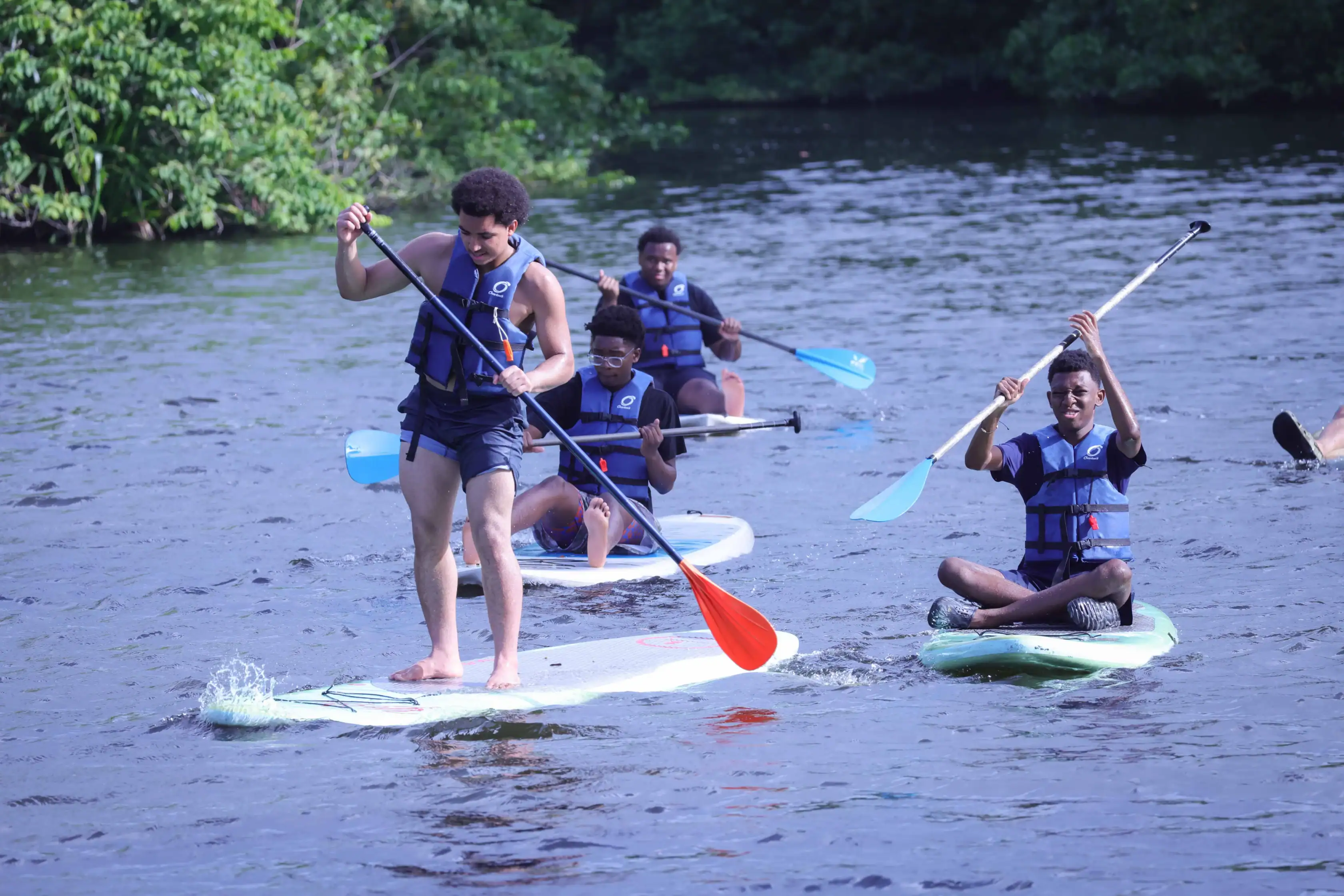
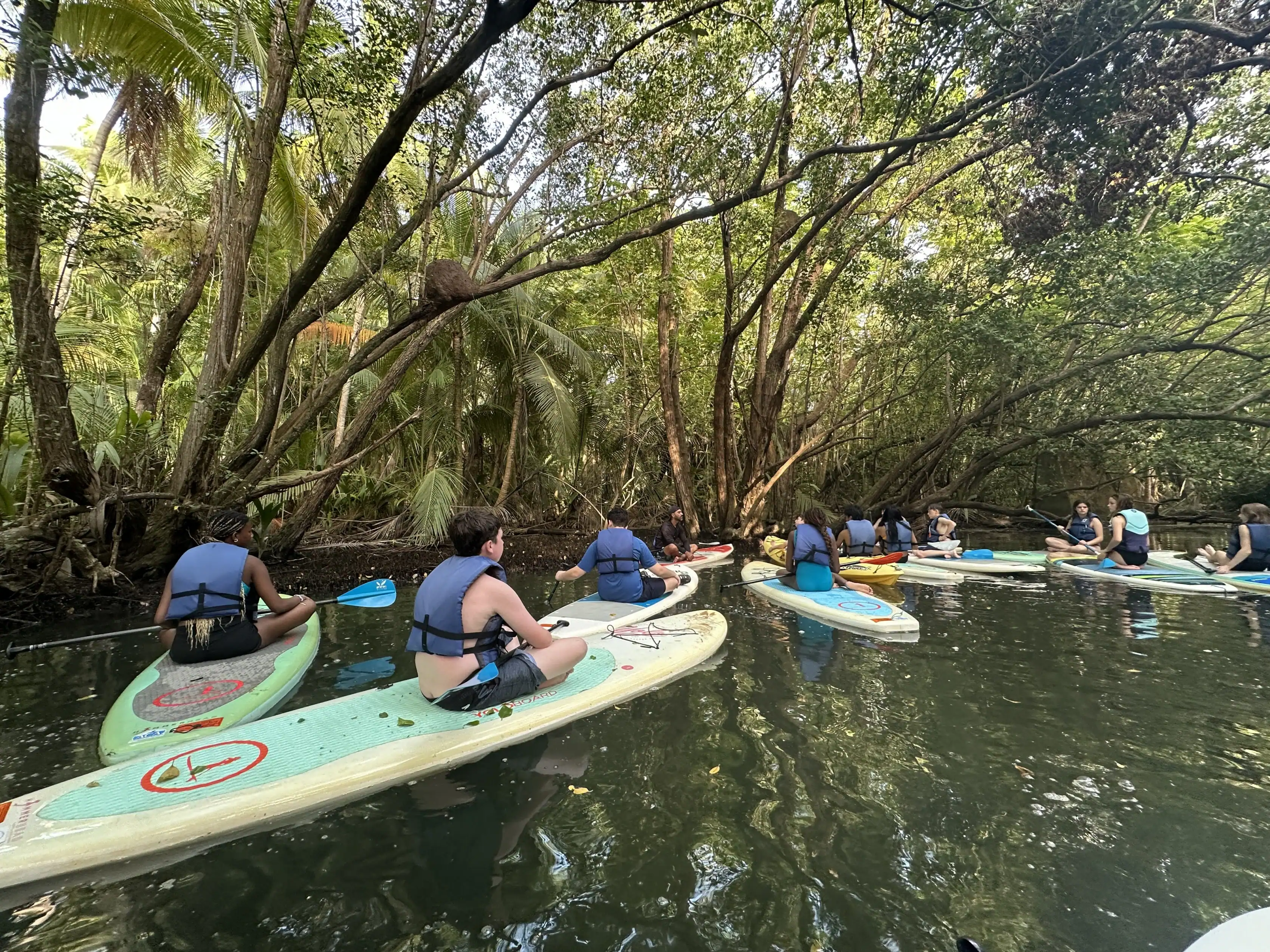
- Embark on a stand-up paddleboard tour through the mangrove channels of Luquillo with an expert eco-guide.
- Learn about mangrove ecology, coastal conservation, wildlife habitat, and the role these forests play in protecting communities.
- Enjoy a beachside lunch and time to explore Luquillo.
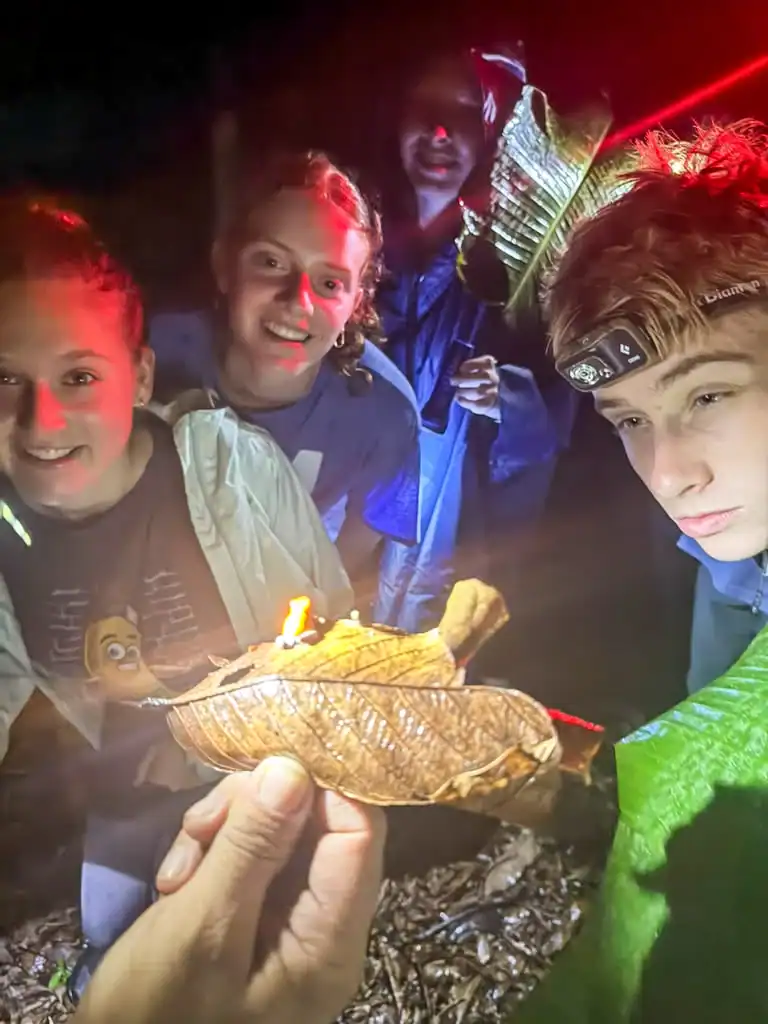
- Venture into El Yunque National Forest for a guided nighttime nature walk.
- Observe frogs, insects, birds, and other rainforest species while learning about biodiversity, conservation, geography, and Puerto Rican mythology.
- Enjoy a final celebratory dinner and group reflection.
- Have breakfast at the hotel, then pack up.
- Depart for the airport according to flight schedules.
Educational Focus & Highlights
Cultivate Resilient Food Systems
Work alongside local farmers and community organizations on hands-on projects such as composting, planting food forests, trail building, and harvesting. Learn how regenerative agriculture supports soil health, biodiversity, food sovereignty, and community resilience.
Discover Santurce Through Food and Art
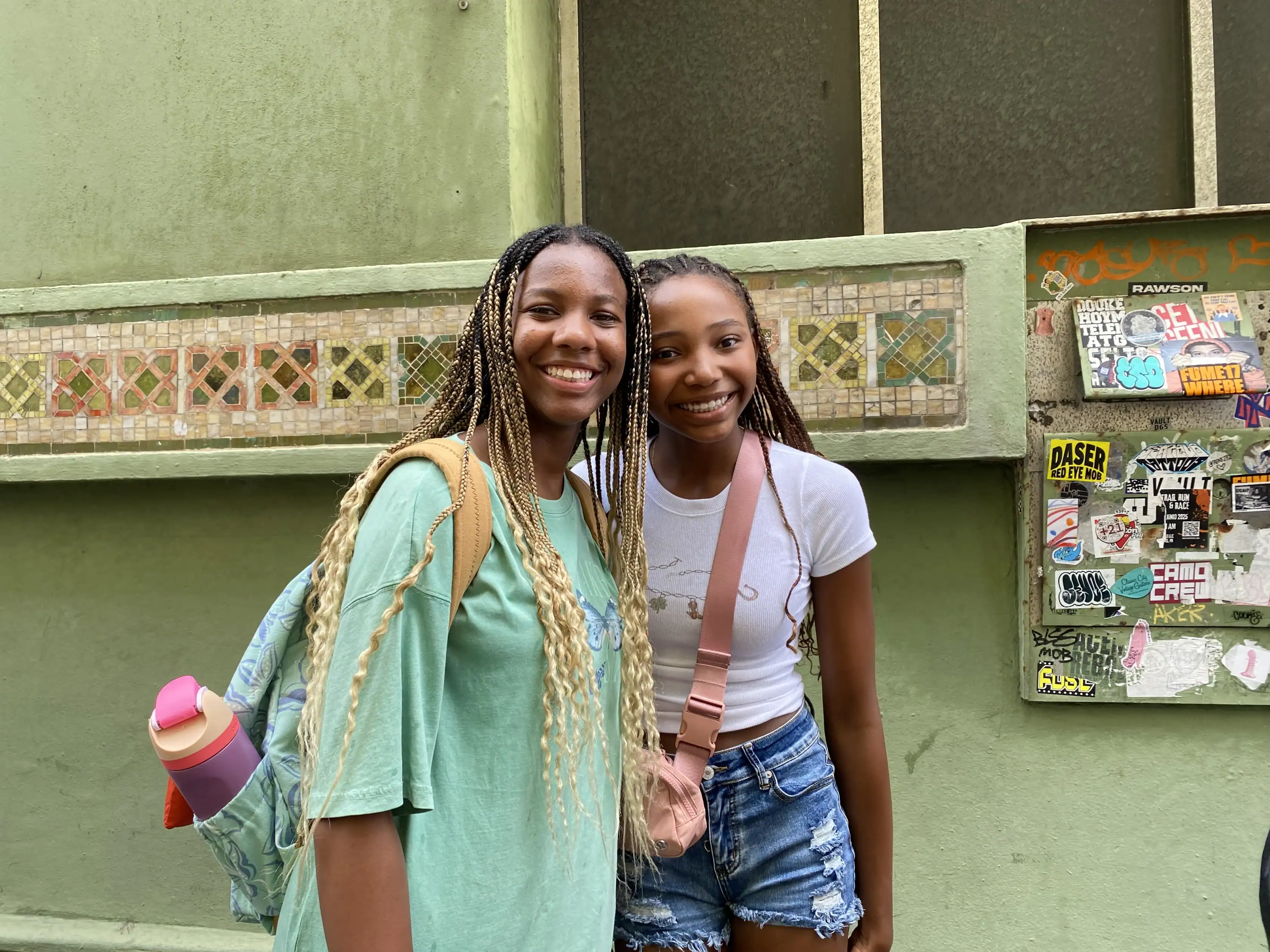
Explore Santurce on a locally guided walking tour focused on Puerto Rican history, public art, activism, and food sovereignty. Discover how food, culture, politics, and community shape life across the island.
Experience El Yunque After Dark
Venture into El Yunque National Forest on a guided nighttime nature walk. Observe rainforest wildlife while learning about biodiversity, conservation, geography, and Puerto Rican mythology.
Paddle Through Coastal Ecosystems
Explore the mangrove channels by stand-up paddleboard of Luquillo with an expert eco-guide. Learn how mangroves provide wildlife habitat, support biodiversity, and protect coastal communities.
Gallery
Lodging
Participants
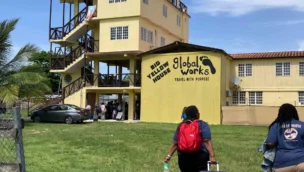
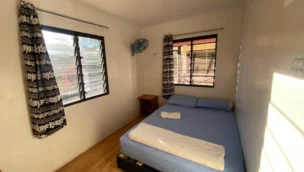
Participants stay in comfortable, dorm-style rooms that typically accommodate 4–12 students per room. These accommodations are carefully selected and often include locally run hotels or lodges that reflect the culture of the area. Each location is selected to have private meeting spaces for group activities, ensuring both a supportive and appropriate environment for our programs.
Chaperones
Chaperones can expect to stay in private rooms, unless otherwise noted by the Global Works operations team. These rooms are located in the same facility as the student accommodations, allowing for a peaceful environment to relax and recharge without compromising proximity to the group.
Bring Your Classroom to the World
Collaborate with Global Works on an impactful service-learning travel program for your students.