How to Choose a Teen Travel Program: A Parent's Guide

The right teen travel program depends on who leads it, how well it fits your teen, what it is designed to teach, and what the price really includes. Below are eight things to look at, plus the questions worth asking any organization before you enroll.
Choosing a summer travel program for your teen can feel like a surprisingly big decision.
You may start by comparing destinations, dates, activities, and prices. But underneath those choices are bigger questions. Who will be responsible for your child? What kind of group will they be part of? How much independence will they have? And what do you hope they will gain from the experience?
After more than 35 years of traveling with teenagers, we’ve learned that the best program isn’t necessarily the one with the longest itinerary or the biggest list of activities. It’s the one that is thoughtfully designed, well led, and right for the student.
Whether you’re considering Global Works or another organization, here are the questions we think are worth asking.
1. Start with safety, supervision, and the people leading the trip
Before getting excited about the destination, start with the people. Who will actually be traveling with your teen every day?
Ask about:
- How trip leaders are selected, screened, and trained
- Staff-to-student ratios
- Emergency and medical protocols, including support from the home office
- Transportation standards
- How the organization handles illness, homesickness, behavioral concerns, or unexpected changes

A good trip leader does much more than keep an itinerary moving. They create the culture of the group, notice when a student needs support, and know when to step in and when to give students space. They make dozens of small decisions every day that shape the overall experience.
At Global Works, our Teen Summer Trips are staffed with two or more trained leaders, along with established local partners and in-country support. Our Colorado office also runs an on-call emergency system for every trip.
Whatever organization you choose, you should feel comfortable asking detailed questions about who will be with your teen and how they are prepared.
Learn more about Global Works safety and risk management.
2. Match the program to your teen, not just the destination
It’s easy to begin with a map. Costa Rica or France? Puerto Rico or Peru?
A better starting point may be: What kind of experience will help my teen thrive?
Think about your teen’s personality, interests, and readiness. Are they energized by meeting new people, or do they need quiet time to recharge? Are they interested in language, service, medicine, conservation, culture, or outdoor adventure? Have they traveled without family before? How comfortable are they with unfamiliar situations?
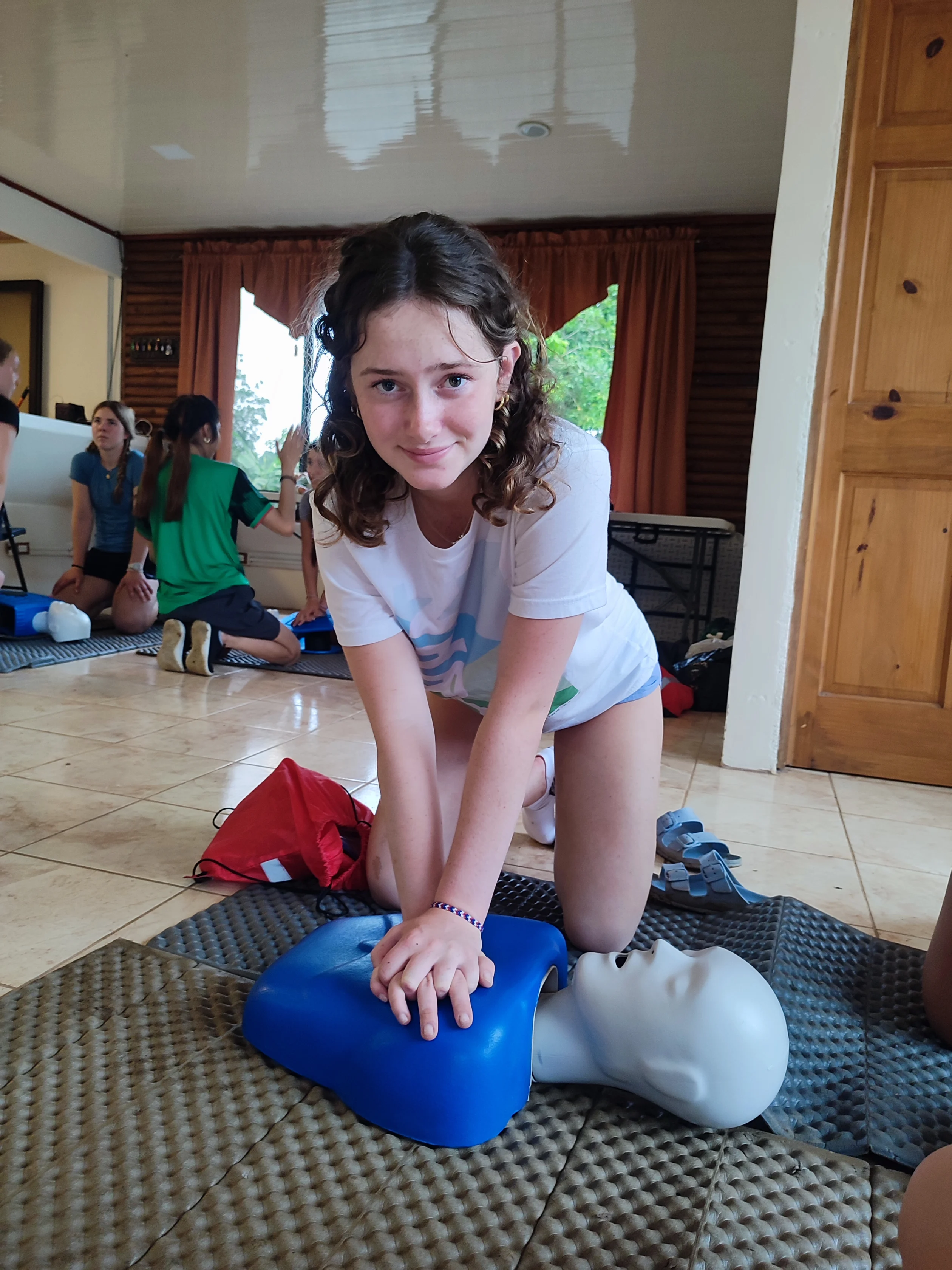
There is no single “best” teen travel program. A student interested in healthcare might be drawn to a Pre-Med & Public Health experience in Costa Rica. Another may be more excited by Spanish, community engagement, and outdoor adventure in Puerto Rico or Peru. A student passionate about language and European culture may thrive in a homestay-based program in France.
The right fit matters more than the most impressive destination.
Find a Teen Summer Trip that fits your teen.
3. Ask what the organization is trying to teach
This may be one of the most important and most overlooked questions: What does the organization hope students will gain?
Some teen travel programs are primarily tours. Students see exciting places, do activities, and spend time with other teenagers. That may be exactly what some families want. Other programs are intentionally designed around learning and growth.
Look for organizations that can clearly explain their goals. Those might include:
- Independence and self-confidence
- Resilience and adaptability
- Cross-cultural understanding
- Communication, teamwork, and leadership
- Curiosity and reflection
- Responsible travel and community engagement
Then look at the itinerary and ask whether the program design supports those goals.
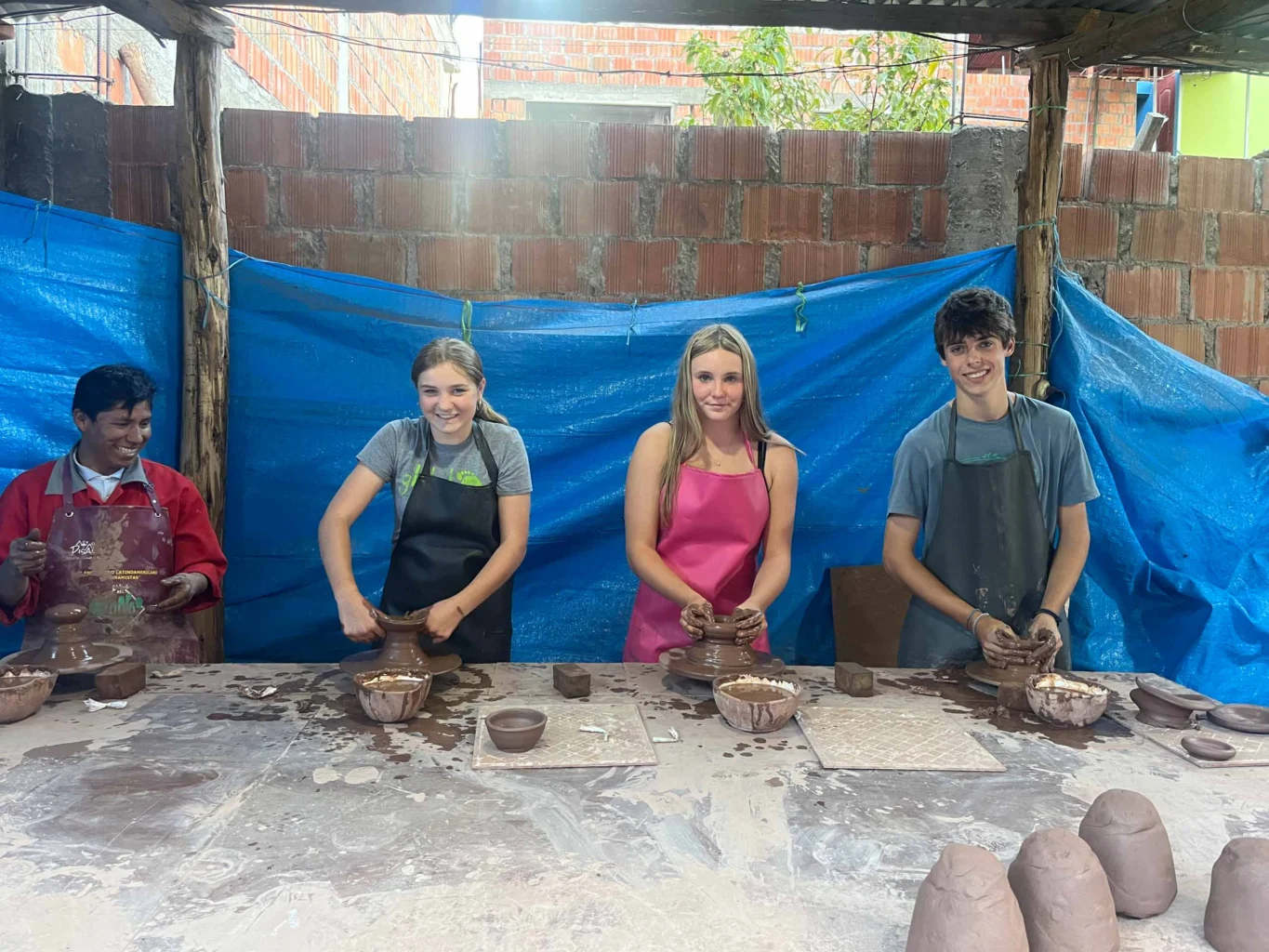
At Global Works, we think of travel as an educational experience, not simply a tour. Our Universal Learning Goals, including resilience and confidence, leadership, global mindedness, and living in community, run through every program. We want students to have fun and see incredible places. We also want them to become more independent, contribute to a group, interact thoughtfully with people whose experiences differ from their own, and work through situations where the answer isn’t always obvious.
Those goals shape how we build our programs: small groups, experienced leaders, long-term community relationships, homestays, service partnerships, and chances for students to take on more responsibility as the trip goes on.
We don’t believe more stops automatically make a better trip. Staying longer in one community, getting to know the same people, and slowing down enough to understand a place can mean far more than adding another attraction.
A useful question to ask any organization is: What do you hope my teen comes home with that they didn’t have before?
The answer can tell you a lot.
4. Look closely at community service and cultural immersion
Terms like “service learning,” “cultural immersion,” and “community engagement” can mean very different things. If these experiences matter to your family, ask how they actually work:
- Who identifies the community project?
- Does the organization work with established local partners?
- Are projects based on locally identified needs?
- Will students work alongside community members?
- How long has the organization worked in that location?
- How are students prepared to enter a community respectfully?
Strong programs treat communities as partners, not as backdrops for a student experience.
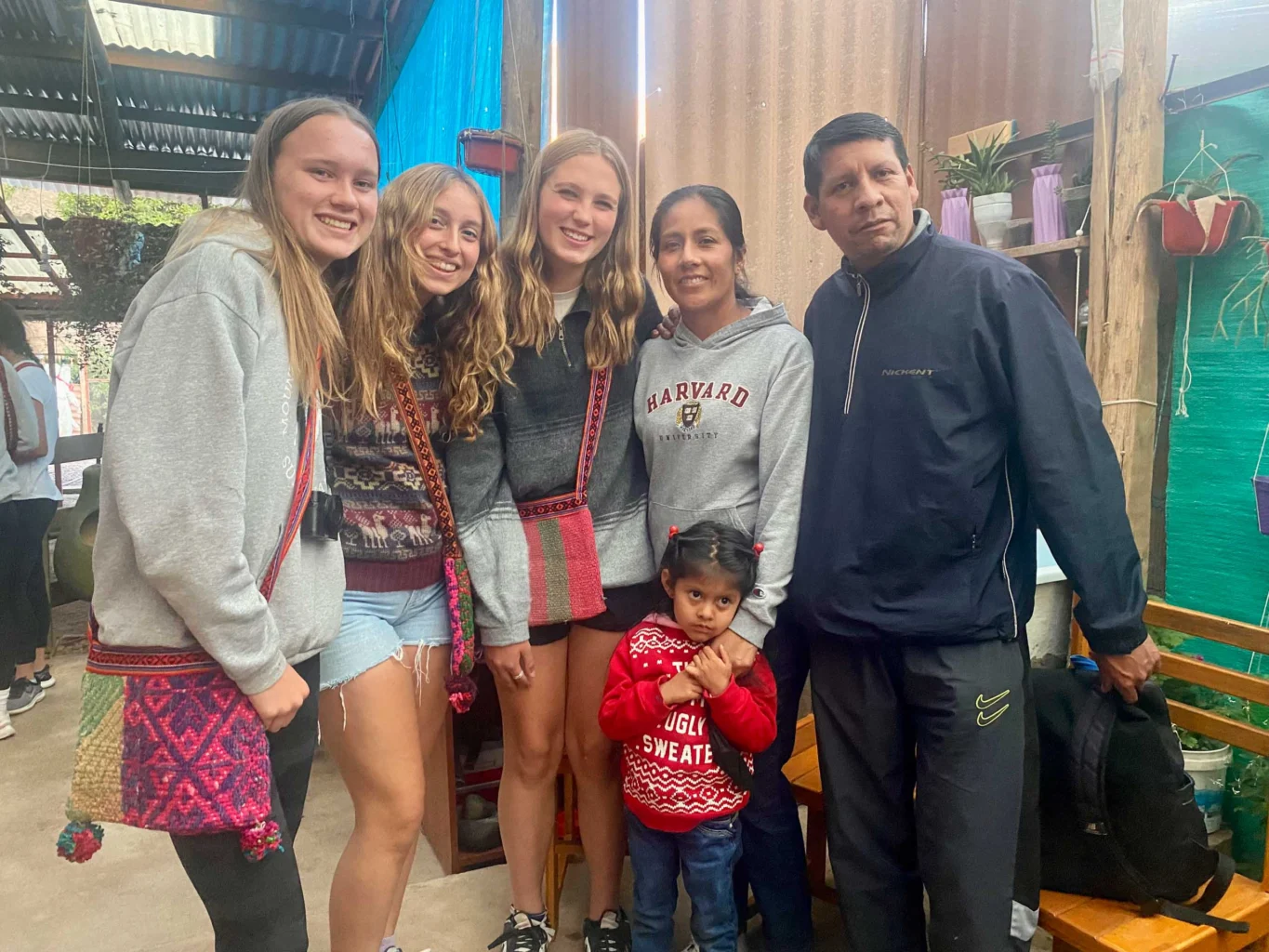
Global Works has built long-term relationships in many of the places where we travel. Those relationships shape everything from service projects to cultural activities to the pace of the itinerary. The goal isn’t to complete a certain number of service hours. It’s to help students understand the people, history, and context connected to the work.
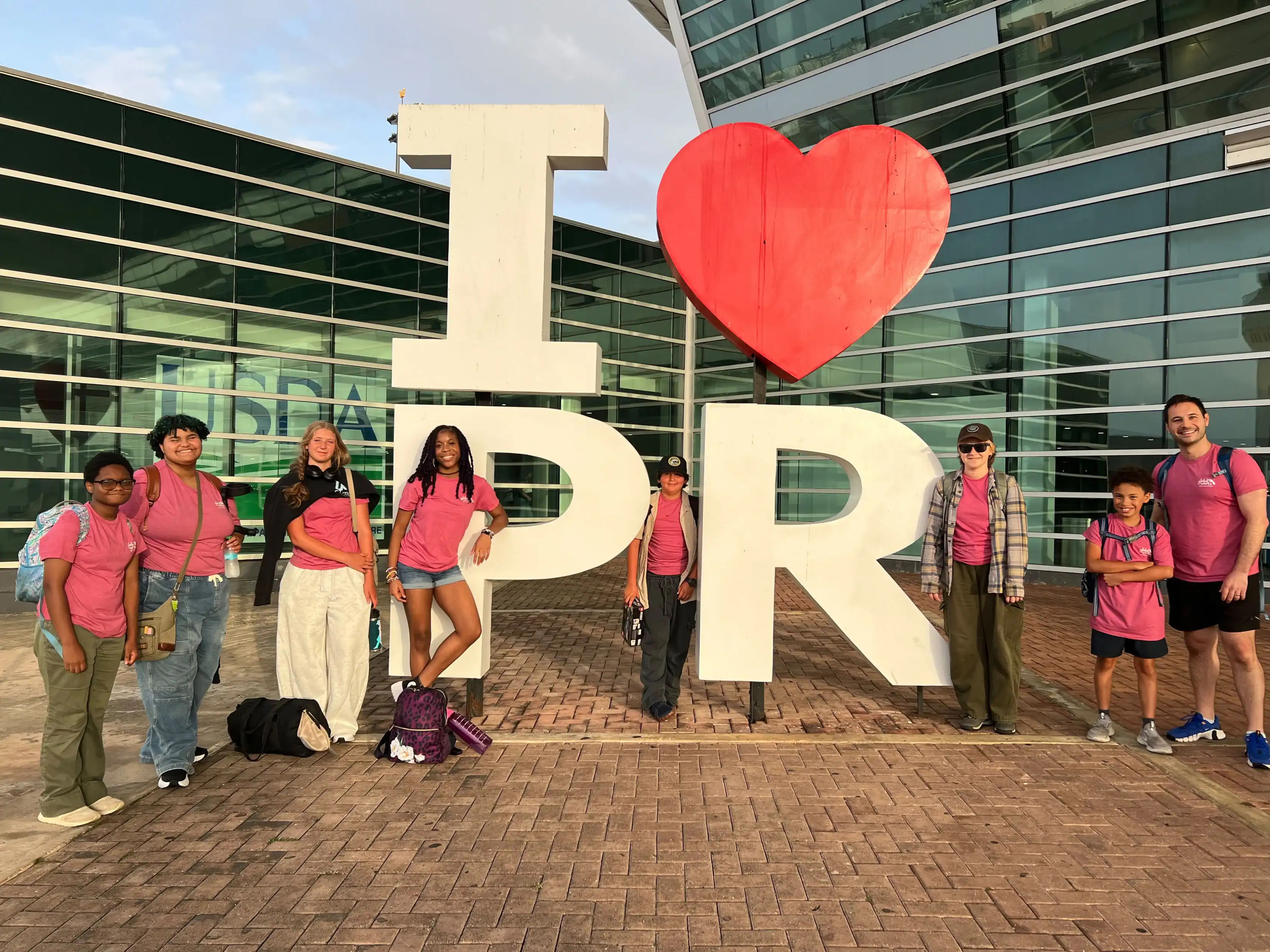
In Puerto Rico, that may mean working alongside local organizations and community members. In Peru, it can mean spending time in communities in the Sacred Valley rather than simply passing through. In France, homestays let students experience daily life and language in a way hotels and sightseeing can’t.
The work matters, but it is often the relationships, conversations, and new perspectives that stay with students longest.
5. Understand what the price actually includes
Teen travel programs can be hard to compare on price. One organization may include nearly everything in tuition, while another advertises a lower price and adds airfare, activities, transportation, or meals later.
Before enrolling, ask what is and isn’t included. These are the items that most often differ between programs:
- Flights. Is airfare included, or do families book their own? Is there a group flight?
- Travel insurance. Is it included, required, or optional?
- Meals. Are all meals covered, or only some?
- Activities. Is everything on the itinerary included, or are some activities optional add-ons at extra cost?
- Fees. Are there application, enrollment, or other fees on top of tuition?
- Spending money. How much do students typically need for personal expenses?
Also look carefully at payment schedules, cancellation terms, and deposit policies.
When comparing programs, the most useful number is often the total expected cost, not the advertised tuition. Quality matters too. Differences in staffing, group size, accommodations, programming, and local support may all sit behind the price.
6. Consider how the program builds independence
For many teenagers, a summer travel program is their first extended time away from family. That can feel like a big step for students and parents, and it is also part of what makes the experience meaningful.
Travel asks young people to manage their belongings, live with a group, communicate with adults other than their parents, navigate changing plans, and work through moments of discomfort or uncertainty.
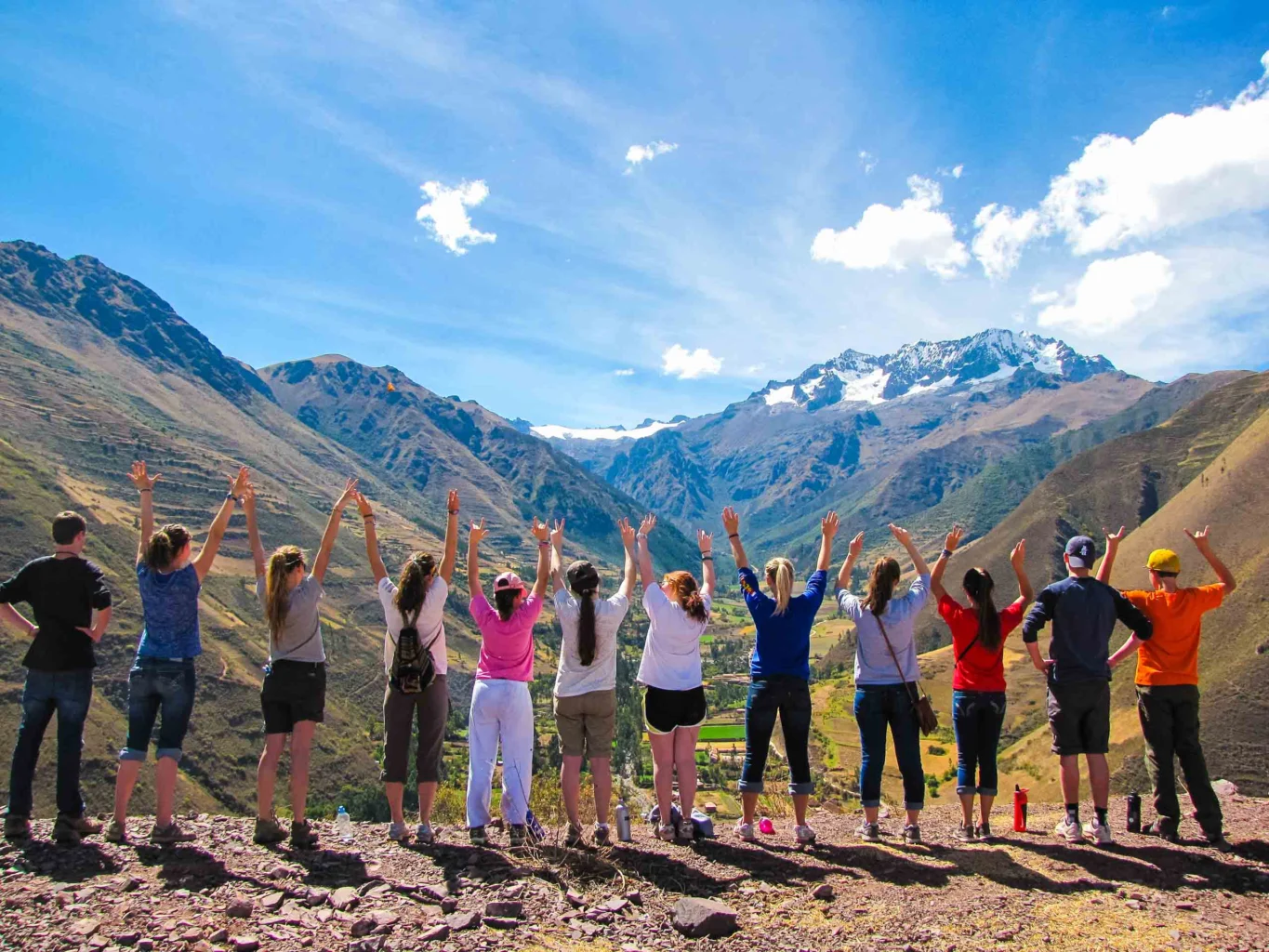
A well-designed teen program shouldn’t remove every difficulty. It should create a supportive environment where teenagers work through age-appropriate challenges with experienced adults nearby. That might mean figuring out how to talk with a roommate, trying unfamiliar food, adapting when weather changes the plan, or asking a trip leader for help instead of calling home right away.
These are ordinary moments, and they are how independence, resilience, judgment, and confidence begin to grow. Learning how to navigate unfamiliar situations is part of the value of being away from home.
The goal isn’t for students to struggle unnecessarily. It’s for them to discover they can handle more than they realized.
7. Pay attention to group size and program culture
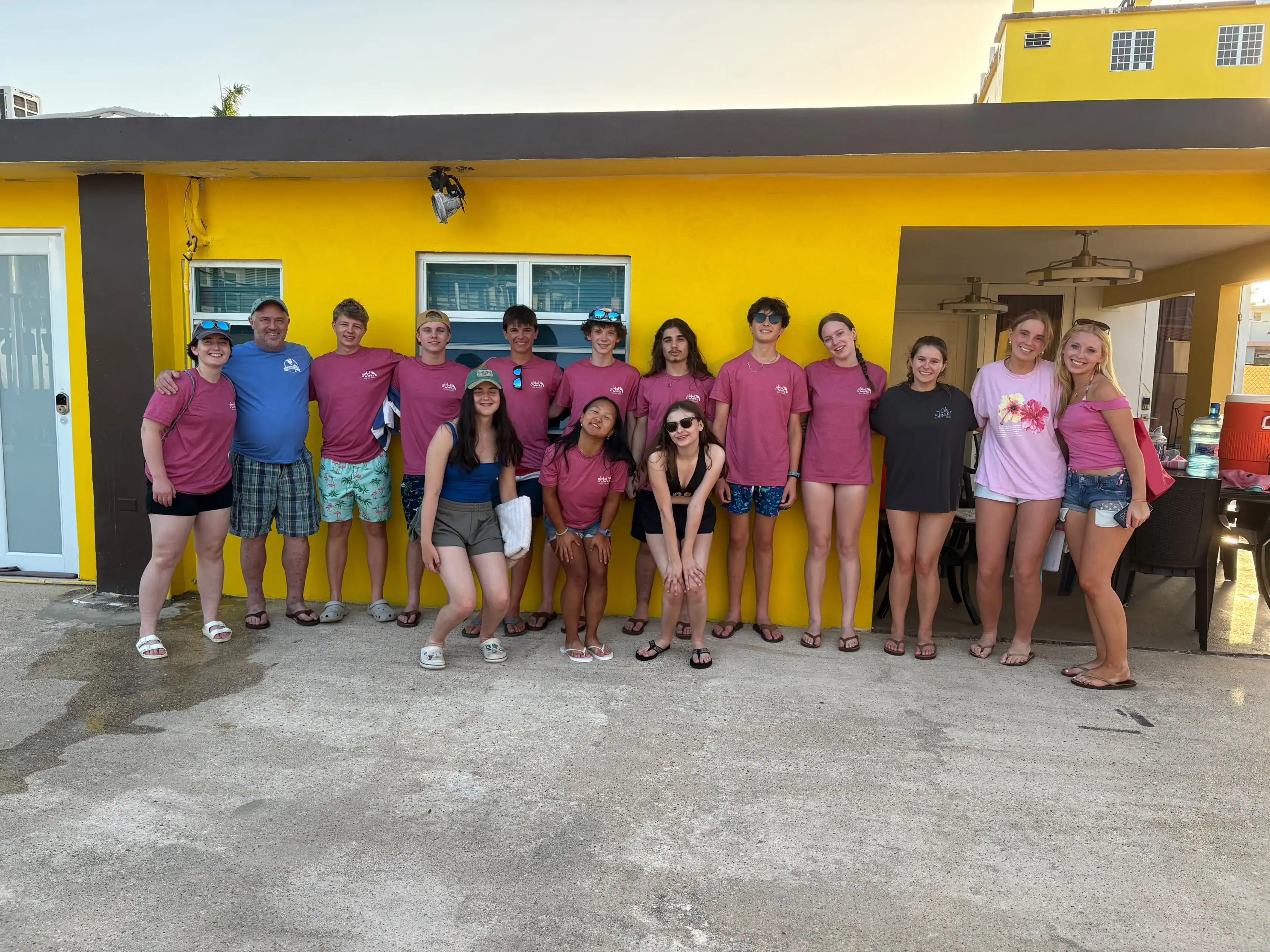
Two programs can visit the same destination and feel completely different. Group size is one reason. Smaller groups can make it easier for students to get to know one another, interact with leaders, engage with local people, and take part in daily decisions.
But numbers alone don’t create a strong group. Ask how the organization builds community. How do leaders help students get to know one another, and how do they handle cliques? How are phones handled? Do students have responsibilities within the group? Is there time to reflect and connect, or is the schedule packed from morning until night?
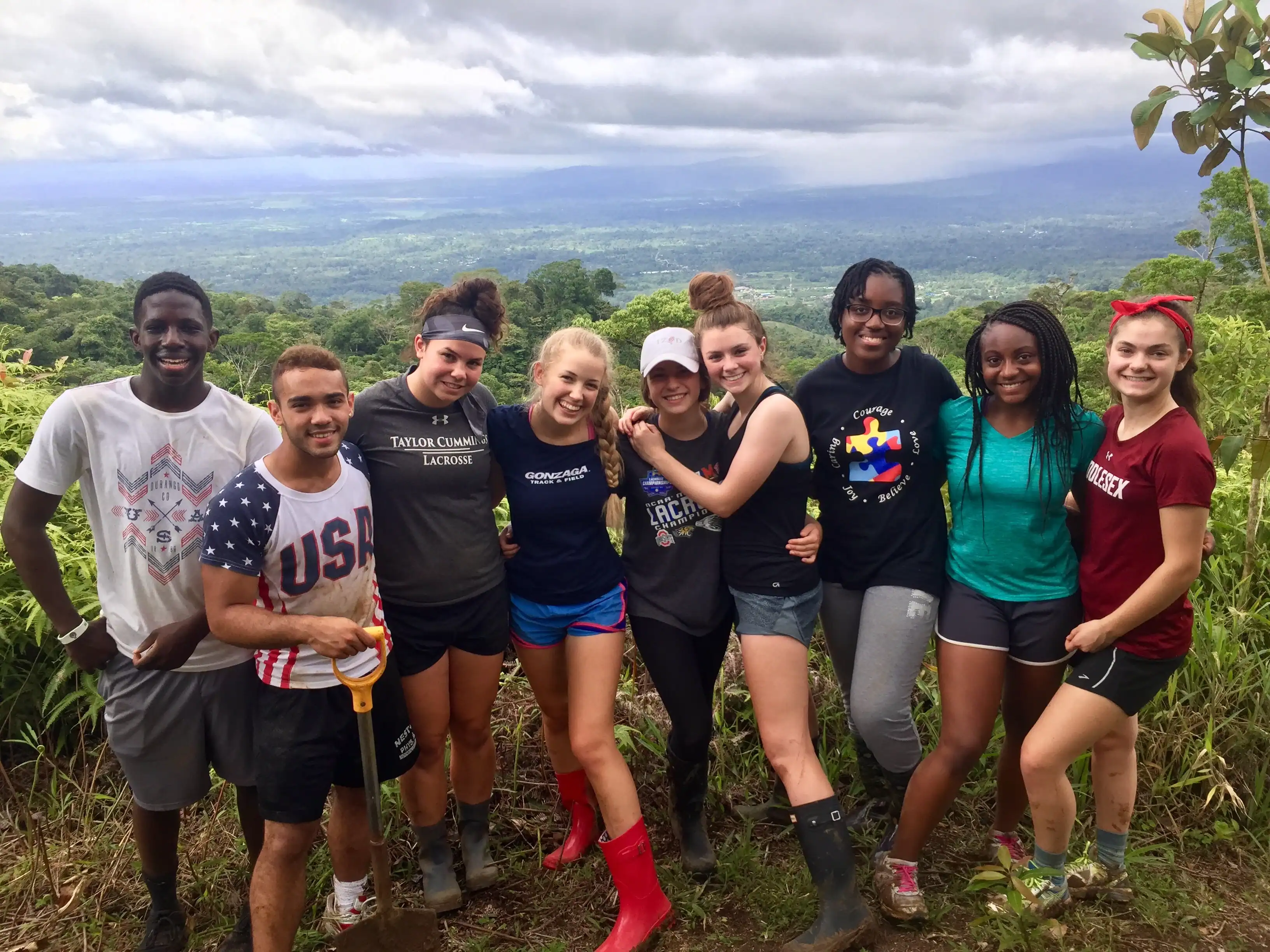
For teenagers, the group itself often becomes one of the most memorable parts of the experience. A thoughtful program treats group culture as something to build on purpose, not leave to chance.
8. Questions to ask before you enroll
A good travel organization should welcome questions from parents and students. Here is a checklist to bring to any conversation:
- Who leads the program, and how are leaders selected and trained?
- What is the student-to-leader ratio?
- What happens in a medical emergency?
- How long have you worked in this destination?
- Who are your local partners?
- What does a typical day actually look like?
- How much independence do students have?
- How are phones and communication with home handled?
- What happens if my teen gets homesick or has trouble adjusting?
- How do you approach community service responsibly?
- What is and isn’t included in tuition?
- What are you hoping students will learn or gain?
- Can I talk with someone on your team before enrolling?
Pay attention not only to the answers, but to how the organization answers. You should come away feeling that the people running the program understand teenagers, know their destinations, and care whether the experience is right for your child.
How do I know which program is right for my teen?
A great teen travel program should do more than show students a new place. It should challenge them without overwhelming them, introduce them to people and cultures thoughtfully, create room for independence, and provide experienced support. It should also give students enough time to actually engage with where they are, rather than simply moving through a checklist of attractions.
At Global Works, we have spent more than 35 years designing programs around those ideas. The destination matters, but the more important question isn’t only where your teen will go. It’s who they might become through the experience.
Frequently asked questions
Readiness matters at least as much as age. A teen who can manage their belongings, handle some discomfort or uncertainty, live cooperatively with a group, and ask an adult for help when needed may be ready for an independent travel experience. Also ask how each program groups students by age or grade.
There isn’t one ideal length. For a first trip away from home, consider your teen’s previous camp or travel experience, the pace of the itinerary, and the amount of time the program gives students to settle into the group and destination. A well-designed shorter program can be a great first experience, while other teens may be ready for something longer.
Teen service trips can be ethical when projects come from locally identified needs, students work alongside community members, and the organization has established, long-term local partnerships. Ask who chooses the work, what role local partners play, and how students are prepared to participate respectfully.
Usually not. Most programs don’t require it unless language proficiency is a specific requirement of the program. Even without fluency, learning basic phrases and being willing to communicate across language differences can become an important part of the experience.
Policies vary widely. Ask how phones are used during the trip, how communication with home typically works, and how the organization keeps parents informed while still giving students room to be present and build independence. Here is how our tech-free approach works.
Next steps
Find a Teen Summer Trip
Browse Global Works Teen Summer Trips and find a program that fits your teen’s interests, experience level, and goals.
Talk with our team
Still deciding what kind of experience fits best? Our team is happy to talk through destinations, safety, readiness, group dynamics, travel logistics, or any other questions before you enroll.